













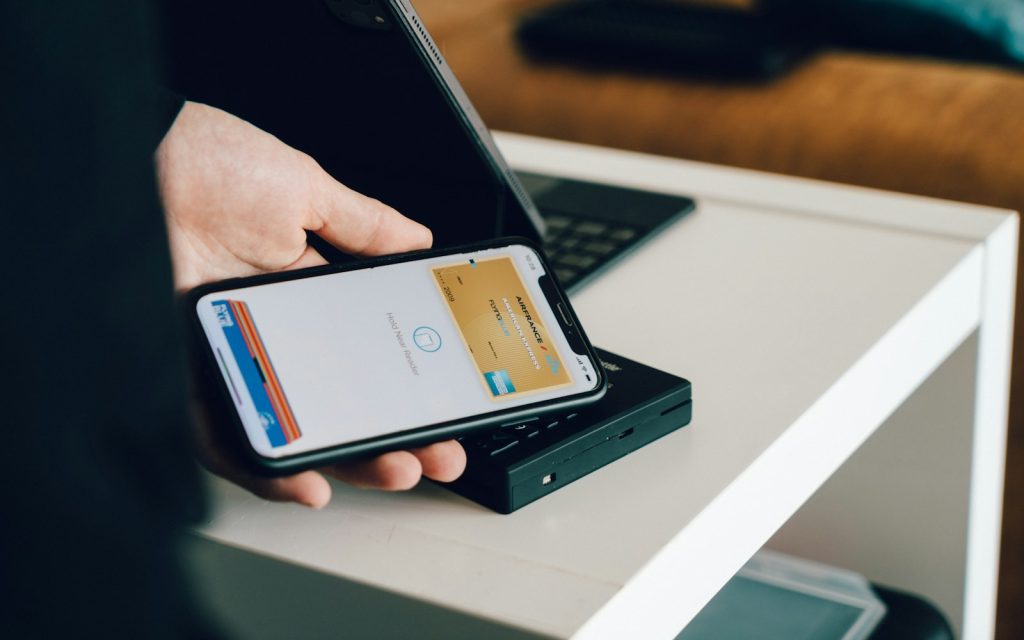
two person's hands holding turned-on phones
Noah Closes a $38M Seed Round as Stablecoin Payments Move Beyond the Wallet

Stablecoin payments provider Noah has closed its seed round at $38 million after raising an additional $16 million, according to an October 7 company announcement. The funding is intended to support international expansion and the infrastructure connecting digital dollars with local payment systems.
In its company-issued release, Noah reported more than 150 new customers during 2026 and year-to-date revenue growth of 538% compared with the same period of 2025. Those are company-reported figures; the release does not supply a complete audited financial statement or the absolute revenue base.
Noah says it will expand its regulatory footprint, hire engineering and compliance specialists, strengthen local payment connections and accelerate U.S. expansion with a New York office. The new $16 million is part of the $38 million total, rather than a separate $38 million financing on top of earlier seed capital.
Latest Stories

Chainlink Demonstrates Cross-Chain Dividends — Tokenized Shares Need More Than Transfers

Ethereum’s zkAPI Separates AI Billing From Identity — Prompt Privacy Still Has Limits

Ethereum Researchers Explore Rules That Could Reject a Bad Transaction Outcome
The hard part is the complete transfer
A blockchain transaction is one segment of a cross-border payment. The sender begins with money somewhere, and the recipient generally wants funds they can use locally. Collection, conversion, identity checks and payout can determine whether the overall experience is better than a traditional transfer.
That creates an infrastructure business rather than simply a wallet business. A platform needs dependable connections on both ends of the transaction, along with a way to explain delays and resolve mismatches. A fast token transfer cannot compensate for an unreliable local payout partner.
For example, a payroll platform paying workers abroad needs more than proof that stablecoins moved to an address. It needs the correct recipient to receive the correct currency, with enough documentation for accounting and a clear process if a payment fails. The worker should not have to become a crypto trader to access wages.
The practical comparison is the final amount received and the time until it is spendable. A low blockchain fee may be offset by foreign-exchange spreads, cash-out charges or prefunding requirements. Any cost claim should include the whole route.
Growth figures need a denominator
TechGaged’s assessment is that Noah’s reported growth is evidence worth following, but percentage growth alone cannot establish the business’s scale. A small initial revenue base can produce a large percentage increase. Absolute revenue, retention and payment volume would make the trajectory easier to assess.
The quality of customer activity matters too. A newly signed customer and a customer processing recurring production payments are different milestones. An infrastructure provider’s durability depends on repeated use, stable service and acceptable economics across the corridors it supports.
For the crypto industry, the investment illustrates interest in companies that connect tokens to ordinary financial tasks. It does not demonstrate that all traditional payment routes are being replaced, or that every stablecoin transfer is cheaper.
The financing adds another example to the growing role of stablecoin rails. The next evidence to watch is operational: live corridors, payout reliability, recurring volume and transparent cost comparisons.
That is where a funding announcement becomes a payments story with measurable benefits for businesses and recipients.
How do you rate this article?
Subscribe to our YouTube channel for crypto market insights and educational videos.






Join our Socials
Briefly, clearly and without noise – get the most important crypto news and market insights first.
Most Read Today
1
XRP Ledger RWA Transfer Volume Hits $7.03B — Up 1,469% in 30 Days
2Cardano DEX Volume Jumps 143% in a Week as DeFi TVL Rebounds
3Fidelity Treasury Exposure Goes Onchain Through Singapore-Licensed DigiFT
4Rain Files for a U.S. National Trust Bank Focused on Stablecoin Infrastructure
5XRPL Stablecoin Supply Hits $1.31B as RLUSD Captures 93% of the Market
Latest






8
Also read
Similar stories you might like.

Crypto Guides
What Happens If a Layer 2 Sequencer Stops? Check the Exit Before Depositing
TechGaged | 2026-10-07

Crypto Guides
Before You Bridge Crypto: A Checklist for the Asset, Route and Exit
TechGaged | 2026-10-07
Crypto Guides
Tokenized Treasury Funds vs. Stablecoins: What You Own and How You Exit
TechGaged | 2026-10-07
Crypto Guides
A Whale Sent Crypto to an Exchange: How to Check Whether It Signals Selling
TechGaged | 2026-10-07

Crypto Guides
Rising DeFi TVL Does Not Always Mean New Money: How to Read the Data
TechGaged | 2026-10-07

Crypto Guides
Slippage vs. Price Impact: Why a Crypto Swap Can Cost More Than the Fee
TechGaged | 2026-10-07

Crypto Guides
DeFi Health Factor Explained: How to Calculate Your Liquidation Buffer
TechGaged | 2026-10-07

Crypto Guides
Disconnecting a Crypto Wallet Does Not Revoke Token Approvals: What to Check
TechGaged | 2026-10-07

Crypto Guides
Native vs. Bridged USDC: The Same Ticker Can Hide a Different Asset
TechGaged | 2026-10-07

Crypto Guides
How to Read a Stablecoin Reserve Report: Seven Checks Beyond ‘Fully Backed’
TechGaged | 2026-10-07