












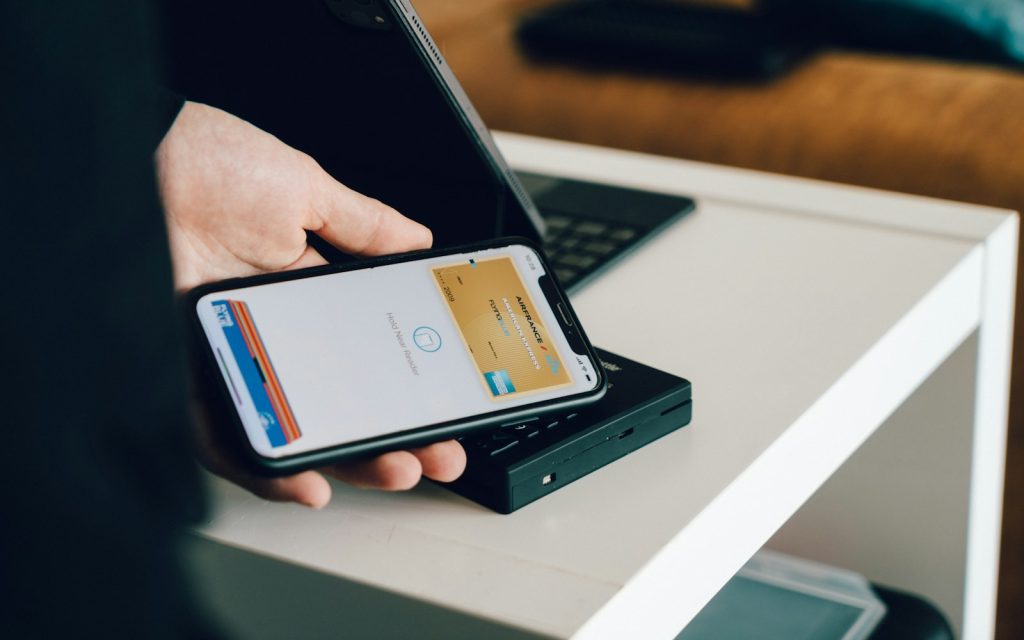
A person holding a smartphone near a contactless payment terminal in a kitchen

Two balances labeled USDC can represent different routes to a dollar-linked asset. Native USDC is issued directly on a supported blockchain by Circle. A bridged version typically represents USDC locked elsewhere and depends on a bridge or wrapping mechanism.
The distinction matters when depositing into exchanges, moving between chains or evaluating the dependencies behind a balance. Matching the token’s name is not enough; the chain and contract address are part of its identity.
Circle’s Bridged USDC Standard distinguishes bridged issuance from native issuance and describes a potential upgrade path. That does not mean every asset with USDC in its name follows the standard or will automatically become native.
Latest Stories

Chainlink Demonstrates Cross-Chain Dividends — Tokenized Shares Need More Than Transfers

Ethereum’s zkAPI Separates AI Billing From Identity — Prompt Privacy Still Has Limits

Ethereum Researchers Explore Rules That Could Reject a Bad Transaction Outcome
Identify the token before choosing a route
Start with the blockchain. A wallet may show several networks using similar address formats, but assets on those networks are separate ledger entries. Copying an address does not move a token to another chain or establish that the recipient accepts it there.
Next, find the token contract using the issuer’s official documentation or the receiving service’s supported-asset information. Compare the complete address, not just the symbol or logo. Fake tokens and legitimate wrapped versions can both use familiar branding.
Then identify the issuance path. Ask whether the balance is native issuance, a bridged claim, or an exchange’s internal account entry. Each can involve a different redemption process. A token label in a trading interface may hide these distinctions until you open the deposit or withdrawal screen.
For a bridge-backed version, determine what asset is held on the source chain and what mechanism releases it. The practical question is not simply whether the wrapper trades near one dollar. It is what must continue functioning for the wrapper to retain access to the underlying asset.
For native USDC, the bridge-specific wrapper dependency is absent, but issuer, contract, chain and service risks still exist. Native issuance should not be read as a guarantee that any route, wallet or platform is safe.
Check what actually arrives
A cross-chain interface may offer several routes with similar prices. Read the destination token and contract before submitting the transfer. One route can deliver native USDC, while another delivers a bridged version or requires an additional conversion step.
Circle’s USDC Bridge explanation describes its use of CCTP to burn and mint native USDC on supported chains. That is a different mechanism from locking a token and issuing a third-party wrapper. Verify the particular interface and supported route rather than assuming every bridge uses CCTP.
Suppose a lending market accepts native USDC on a destination chain, but your bridge delivers a different contract. The value may look similar in your wallet, yet the market may reject the token. You could need another trade, with additional fees and market risk, before using the funds.
A receiving exchange can impose the same constraint. Its deposit screen should identify the accepted network and asset version. If the documentation is ambiguous, obtain a clear answer before sending the main amount. A small test reduces some operational risk but does not make an unsupported route acceptable.
Keep sufficient gas assets for both ends of the route. Having USDC on the destination network may not give you the ability to pay for a later transfer. Depending on the network and interface, the required gas asset can be different from the token you moved.
A practical pre-transfer check is: correct chain, correct contract, accepted destination, identified mechanism, full fees and a usable exit. Record the transaction hashes and route details so you can distinguish the source transaction from the destination delivery if support is needed.
For the wider risk context, see TechGaged’s wallet guide. Private-key security and asset compatibility are both necessary for a successful transfer.
The central lesson is simple: USDC is a name, while the blockchain, contract and issuance mechanism tell you which asset you actually hold.
How do you rate this article?
Subscribe to our YouTube channel for crypto market insights and educational videos.





Join our Socials
Briefly, clearly and without noise – get the most important crypto news and market insights first.
Most Read Today
1
XRP Ledger RWA Transfer Volume Hits $7.03B — Up 1,469% in 30 Days
2Cardano DEX Volume Jumps 143% in a Week as DeFi TVL Rebounds
3Fidelity Treasury Exposure Goes Onchain Through Singapore-Licensed DigiFT
4Rain Files for a U.S. National Trust Bank Focused on Stablecoin Infrastructure
5XRPL Stablecoin Supply Hits $1.31B as RLUSD Captures 93% of the Market
Latest






8
Also read
Similar stories you might like.
Crypto Guides
What Happens If a Layer 2 Sequencer Stops? Check the Exit Before Depositing
TechGaged | 2026-10-07

Crypto Guides
Before You Bridge Crypto: A Checklist for the Asset, Route and Exit
TechGaged | 2026-10-07
Crypto Guides
Tokenized Treasury Funds vs. Stablecoins: What You Own and How You Exit
TechGaged | 2026-10-07
Crypto Guides
A Whale Sent Crypto to an Exchange: How to Check Whether It Signals Selling
TechGaged | 2026-10-07
Crypto Guides
Rising DeFi TVL Does Not Always Mean New Money: How to Read the Data
TechGaged | 2026-10-07

Crypto Guides
Slippage vs. Price Impact: Why a Crypto Swap Can Cost More Than the Fee
TechGaged | 2026-10-07
Crypto Guides
DeFi Health Factor Explained: How to Calculate Your Liquidation Buffer
TechGaged | 2026-10-07

Crypto Guides
Disconnecting a Crypto Wallet Does Not Revoke Token Approvals: What to Check
TechGaged | 2026-10-07

Crypto Guides
How to Read a Stablecoin Reserve Report: Seven Checks Beyond ‘Fully Backed’
TechGaged | 2026-10-07

Blockchain
Chainlink Demonstrates Cross-Chain Dividends — Tokenized Shares Need More Than Transfers
TechGaged | 2026-10-07