












Crypto user founds out he was scammed and gets locked out of his account
Ad
Your wallet still shows assets, the transactions validate cleanly, and block explorers don’t flag anything unusual. However, the outcome still feels wrong because the position you expected no longer exists in the form you understood.
Yield never arrived, a protocol update quietly rebalanced the strategy, and risk was shifted after you’d already committed capital.
What changed wasn’t ownership but the rules governing how that ownership behaves. Support teams point to documentation, and governance votes passed exactly as designed, which makes the situation even harder to challenge.
Scams Evolved Past Theft
Early crypto scams relied on force, phishing, exploits, and rug pulls. Those were loud, fast, and obvious. They triggered outrage and response.
By 2025, scams evolved toward compliance-compatible extraction. Moreover, enforcement improved at the edges. Infrastructure providers flag obvious fraud.
Wallets warn about malicious contracts with on-chain surveillance catching known patterns. Therefore, scams adapted by staying inside acceptable behavior.
The industry produces this risk because crypto systems reward plausible deniability. If a protocol follows governance processes, ships documentation, and executes on-chain as promised, value extraction can be framed as risk realization rather than deception.
Complexity works in favor of scammers. When outcomes depend on multi-step assumptions, timing, or parameter interpretation, responsibility diffuses. Then, loss becomes “user misunderstanding” rather than manipulation.
Scams Look Like Mistakes
Many people assume that if something were a scam, it would visibly break, yet modern crypto scams are engineered to preserve functionality while quietly changing who benefits.
Additionally, it executes correctly on-chain, audits pass, and interfaces stay clean, but the economic outcome drifts away from what users expected because incentives were designed to extract value rather than create it.
Others believe that audits, governance, or compliance layers prevent abuse. However, these systems only verify behavior and process, not whether the underlying deal is fair.
Scams don’t need provable malice, they rely on asymmetric understanding, where one side sees the full incentive map and the other only sees a functional interface.

Extraction Without Violation
Think of these scams as expectation engineering.
Step 1: Establish legitimacy
The project launches with clean contracts, audits, public teams, and transparent docs. Nothing raises alarms.
Step 2: Introduce optional complexity
Advanced strategies, vaults, restaking layers, or yield routing promise optimization without guarantees.
Step 3: Shift parameters post-commitment
Fees change. Risk weights update. Execution paths reroute. All within documented permissions.
Step 4: Normalize losses
Losses are framed as market conditions, user choices, or misunderstood mechanics.
This is not deception by false statements. It’s deception by selective clarity.
Legitimacy as a Shield
Legitimacy now works more like a shield than a guarantee, especially in scams that never break contracts or violate rules.
At the design level, long disclaimers and optional complexity quietly push responsibility onto users, while incentives tied more to timing than performance create asymmetric outcomes.
Therefore, early or insider-aligned participants benefit structurally, even though everything looks fair on the surface.
On-chain behavior reinforces this without obvious alarms. Value usually leaks through rising fees, rebalancing costs, or preferential routing after TVL stabilizes, when users feel committed, and exits seem costly.
Additionally, internal addresses capturing outsized rewards reveal where value was meant to accumulate all along.
Operationally, losses get framed as misunderstandings, governance justifies changes as necessary, and documentation expands only after damage appears.
There’s no scam-proof way to participate in crypto. However, there is a way to read systems that changes how risk shows up long before money moves.
Scams That Pass Every Check
What Will Likely Worsen
AI-generated documentation and automated explanations will increasingly obscure real risk, because they prioritize readability over clarity, leaving subtle authority and value flows hidden.
Governance-heavy protocols will continue shifting responsibility from system designers to participants, and layered yield or vault products will make exposure harder to map.
Where False Security Will Increase
Marketing around audits, compliance alignment, or “transparency” will give users a false sense of safety.
Even readable disclosures often remain too dense or technical to reveal structural asymmetries. Therefore, reinforcing confidence without reducing actual exposure.
What Might Reduce Risk or Shift It
Intent-based disclosures, standardized risk visualizations, and social signals showing patterns of value extraction can help participants detect misalignment early.
However, scams won’t disappear, they’ll persist as product design.
How Scams Evolved In Short
- Scams no longer need to steal.
- Legitimacy can be a defensive layer.
- Governance can extract value.
- Complexity hides asymmetry.
- Loss often arrives as “expected behavior”.
Frequently Asked Questions
How are modern crypto scams different from traditional ones?
Modern scams often don’t involve hacking, theft, or broken contracts. Instead, they operate inside governance rules, audited code, and documented permissions to extract value legally and technically.
Why don’t audits and governance fully protect users?
Audits verify that code functions as written, not that the economics are fair. Similarly, governance can legitimize harmful changes if votes pass, even when those changes disadvantage most users.
What does “extraction without violation” actually mean?
It refers to scenarios where no rules are broken, yet value is systematically redirected to insiders. This can happen through fee changes, strategy rebalancing, or governance decisions made after users are locked in.
Why does complexity make these scams harder to detect?
Layered systems such as vaults, restaking, and automated strategies create multiple points where risk can shift. Because outcomes depend on timing, parameters, and governance, responsibility becomes diffuse.
How can users defend themselves against this kind of risk?
Users should evaluate worst-case outcomes, track who controls key decisions (fees, upgrades, routing), and treat governance as execution risk rather than protection. Mentally planning an exit before investing, and being wary of excessive complexity.
How do you rate this article?
Subscribe to our YouTube channel for crypto market insights and educational videos.






Join our Socials
Briefly, clearly and without noise – get the most important crypto news and market insights first.

Most Read Today
1
Chainlink’s 499% Social Volume Spike: Why Attention is Outpacing Price
2Cardano (ADA) Price Analysis: Quiet Accumulation as Technical Signals Begin to Strengthen
3Mantle’s $1B Milestone: Why MNT is the Next Layer 2 Powerhouse to Watch
4Digital Silver’s Silent Strength: Litecoin (LTC) Fundamental and Technical Dive
5Zcash: The VC-Backed Rebirth of Private Finance
Latest






8
Also read
Similar stories you might like.

Industry
Pakistan Launches National Crypto Regulator; What’s Next?
Rokas | 2026-03-06

Industry
Revolut Will Test Stablecoins With Regulatory Oversight in 2026
Patrick | 2026-02-27
Industry
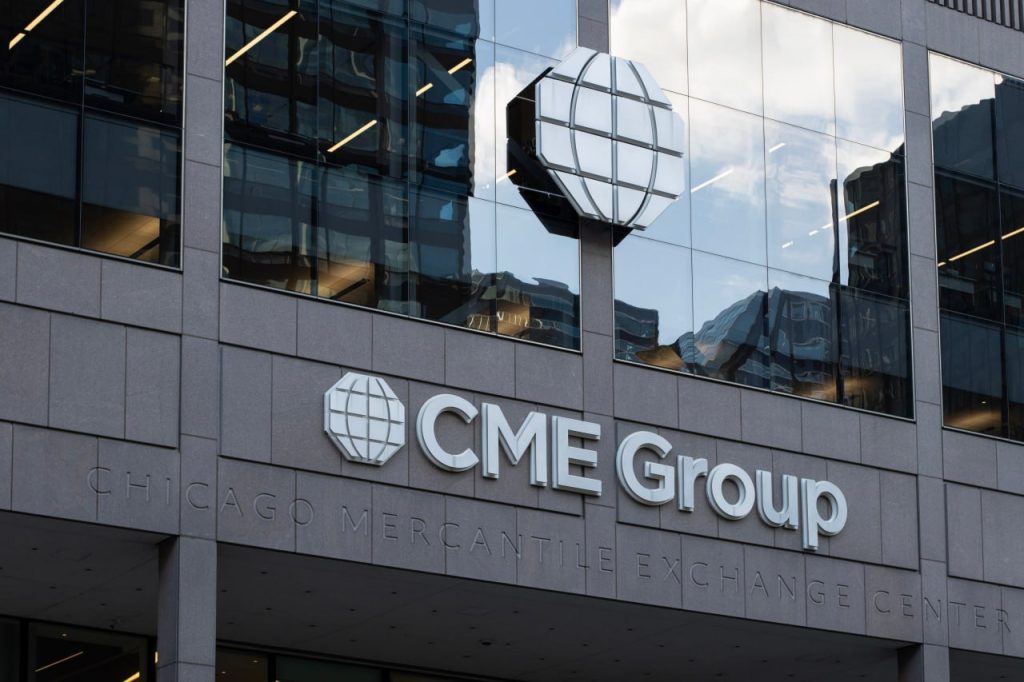
CME Group Expands Into 24/7 Crypto Trading in Major Shift
Patrick | 2026-02-19

Industry
The First GENIUS Act ETF Is Here – And It’s Built for Stablecoins
Patrick | 2026-02-19

Industry
Crypto.com Becomes First Crypto Platform to Achieve This Certification
Patrick | 2026-02-16

Regulation
A New EU License Puts OKX in a Different Regulatory League
Patrick | 2026-02-16

Blockchain
Warning: Postal Phishing Targets Ledger And Trezor Users Offline
Ana | 2026-02-20
Industry
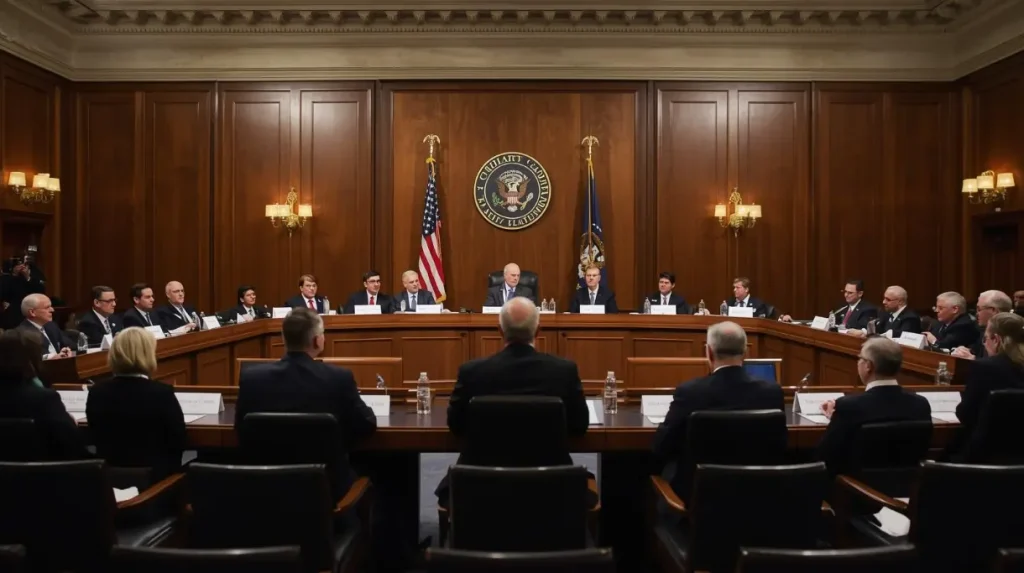
The CFTC Brings Top Crypto CEOs Into Policy Circle
Patrick | 2026-02-14

Crypto News
From Viral Token to Federal Prison: SafeMoon’s CEO Sentenced to 100 Months
Patrick | 2026-02-10
Crypto News
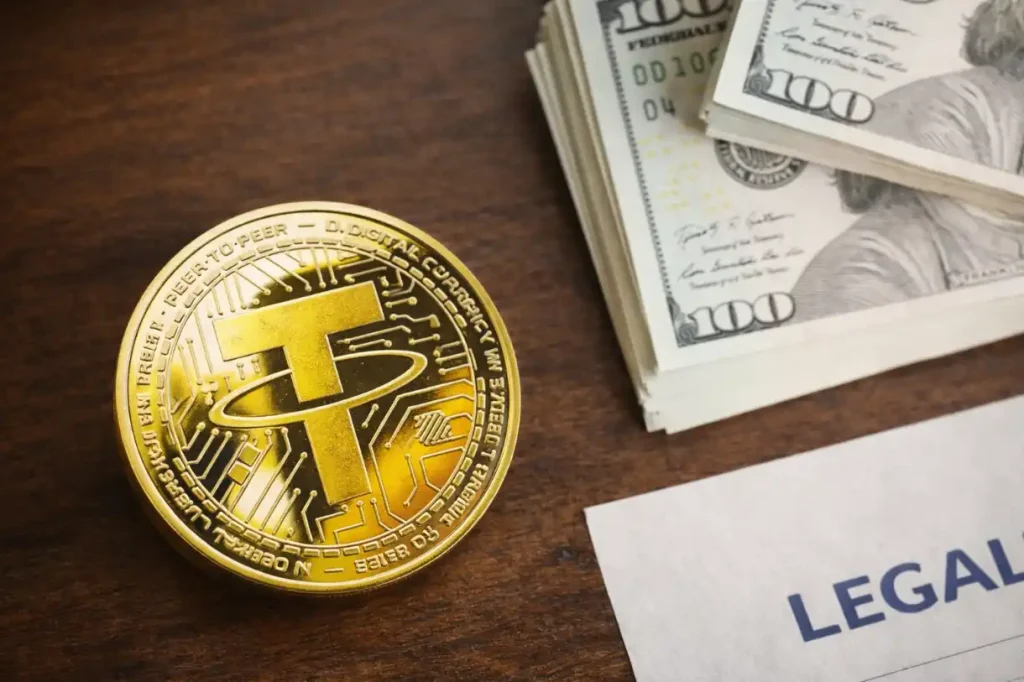
Crypto Firms Are Offering Banks a Deal to Save a Key US Bill
Patrick | 2026-02-05