











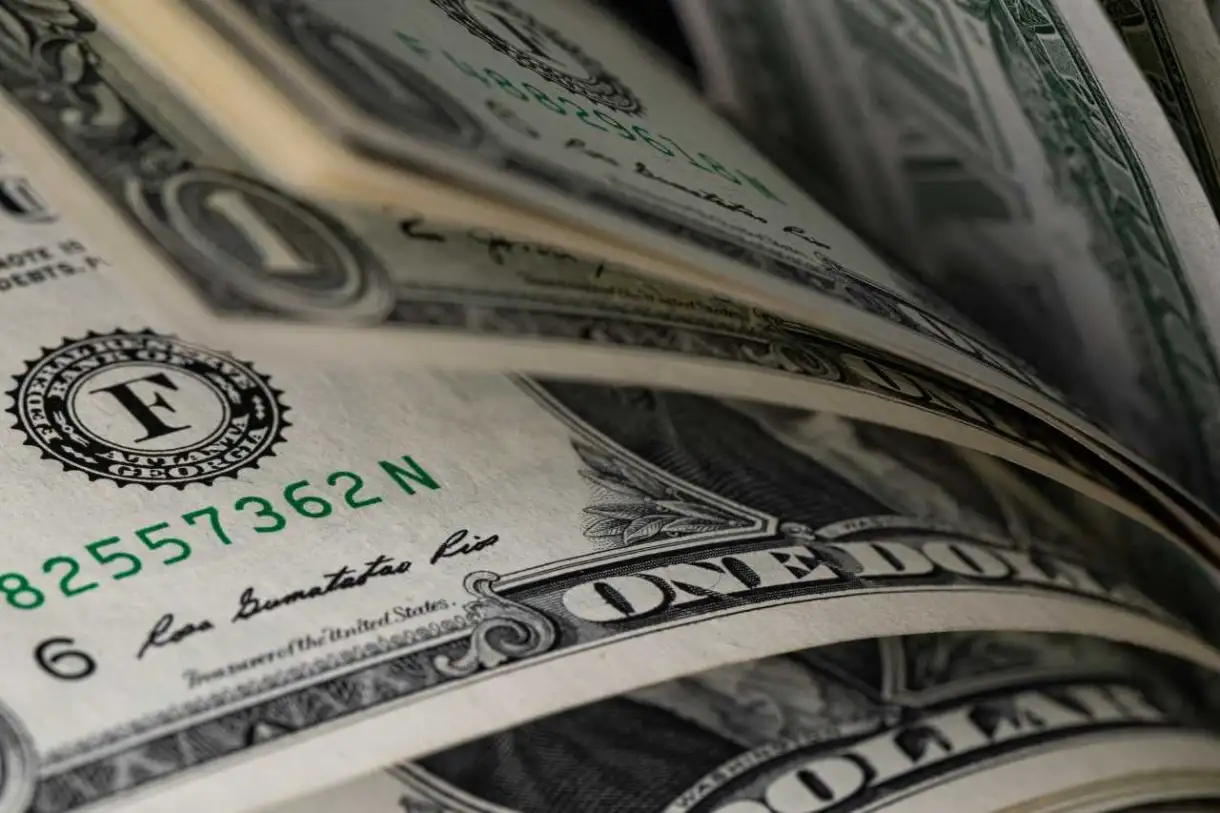
U.S. dollar bills close-up. Source: TechGaged / Shutterstock
Korea and France Rush Into Crypto Talks as Regulatory Changes Loom
In Brief
- • Korea and France held talks on crypto’s role in finance.
- • Stablecoins and CBDCs were central to discussions.
- • Crypto is becoming part of core monetary policy.
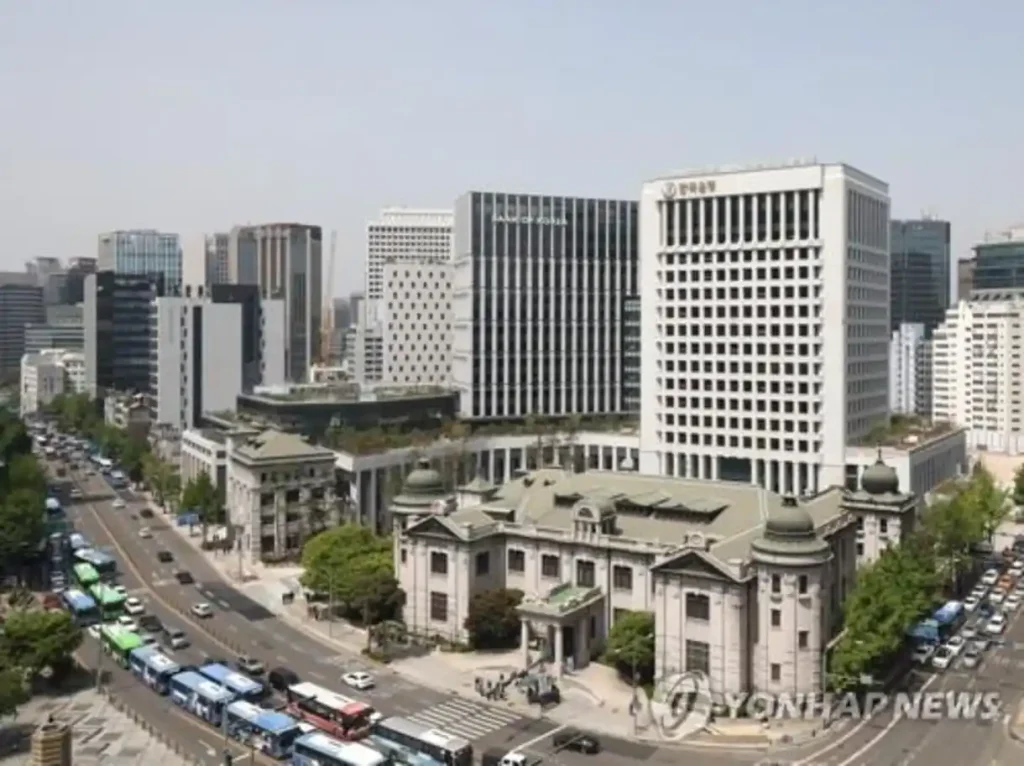
Bank of Korea and Bank of France held a joint seminar focused on digital assets and their growing role in global payments. The discussions center on how these technologies are reshaping monetary systems and forcing policy responses from central banks. The talks highlight how crypto has moved into the core of financial decision-making rather than sitting on the sidelines.
Stablecoins and CBDCs move into focus
Specifically, the Bank of Korea and Bank of France are using the two-day seminar to examine how digital assets are reshaping core financial infrastructure, according to a report published by the South Korean news agency Yonhap on April 7.
At the center of the discussion are stablecoins and central bank digital currencies, both of which are increasingly seen as competing or complementary systems within global payments.
Stablecoins, in particular, are gaining traction due to their speed and cross-border efficiency, while central bank digital currencies (CBDCs) represent a more controlled, state-backed alternative.
Now, central banks under heavy pressure to adapt as private digital money grows, raising questions around monetary sovereignty, financial stability, and the future of payment systems.
Additionally, what was once a niche crypto topic is now increasingly present in conversations as part of the core financial system, with central banks actively modeling how these assets could reshape international monetary flows.
Climate risks enter the crypto conversation
Beyond crypto, the seminar is also tackling climate change and its impact on inflation and macroeconomic stability, where the link is becoming harder to ignore.
Extreme weather and energy transitions are increasingly feeding into price pressures, making climate risk a monetary policy concern. For central banks, that creates a dual challenge.
They now have to navigate both digital disruption from the crypto industry and long-term structural shifts from climate change, often at the same time. The joint forum, part of an ongoing exchange program between the two institutions since 2024, signals deeper coordination on both fronts.
All things considered, digital assets are clearly no longer outside the system. They are becoming part of the policy conversation shaping how that system evolves.
How do you rate this article?
Subscribe to our YouTube channel for crypto market insights and educational videos.






Join our Socials
Briefly, clearly and without noise – get the most important crypto news and market insights first.
Most Read Today
1
Robert Kiyosaki Prediction Accuracy: Full Report (1990–2026)
2Bitcoin Block 666666 Hides Message That’s Hard To Ignore
3Hyperliquid (HYPE): Breakout or Breakdown After April 6 Token Unlock?
4Is It a Good Time to Buy Crypto Right Now?
5As Qubic Shifts to DOGE and AI, Monero’s Hashrate Faces a Rebalancing—What’s Next for XMR?
Latest






8
Also read
Similar stories you might like.
Blockchain
JPMorgan Projects Massive Growth In Tokenized Markets This Decade
Ana | 2026-04-07
Market
Crypto’s ‘Middle Class’ Is Shrinking Fast — Mid-Priced Tokens Down 32%
Jastra | 2026-04-07
Altcoins
XRP Whales Buying Rises Ahead of Major Ripple XRPL Japan Event
Rokas | 2026-04-07
Altcoins
Solana Builds Real-Time Threat Detection and Response Network
Rokas | 2026-04-07
Altcoins
SUI at Crossroads: AI MemWal, USDsui and Inflows Could Drive Price Performance
Azeez | 2026-04-07

Altcoins
Chainlink’s ETF, Coinbase Deal, and Dev Surge – What’s Coming?
Azeez | 2026-04-07

Bitcoin
Bitcoin Spikes On War Headlines While Debate Heats Up
Ana | 2026-04-06
Bitcoin
Bitcoin Block 666666 Hides Message That’s Hard To Ignore
Ana | 2026-04-06

Altcoins
XRP Risks Liquidation at This Level as Leverage Climbs
Ana | 2026-04-06
Bitcoin
Circle Combines Wrapped Bitcoin Launch With Quantum-Ready Arc Blockchain
Rokas | 2026-04-06