









Senate CLARITY Act Could Put XRP, SOL, and DOGE on Bitcoin’s Level
Ad
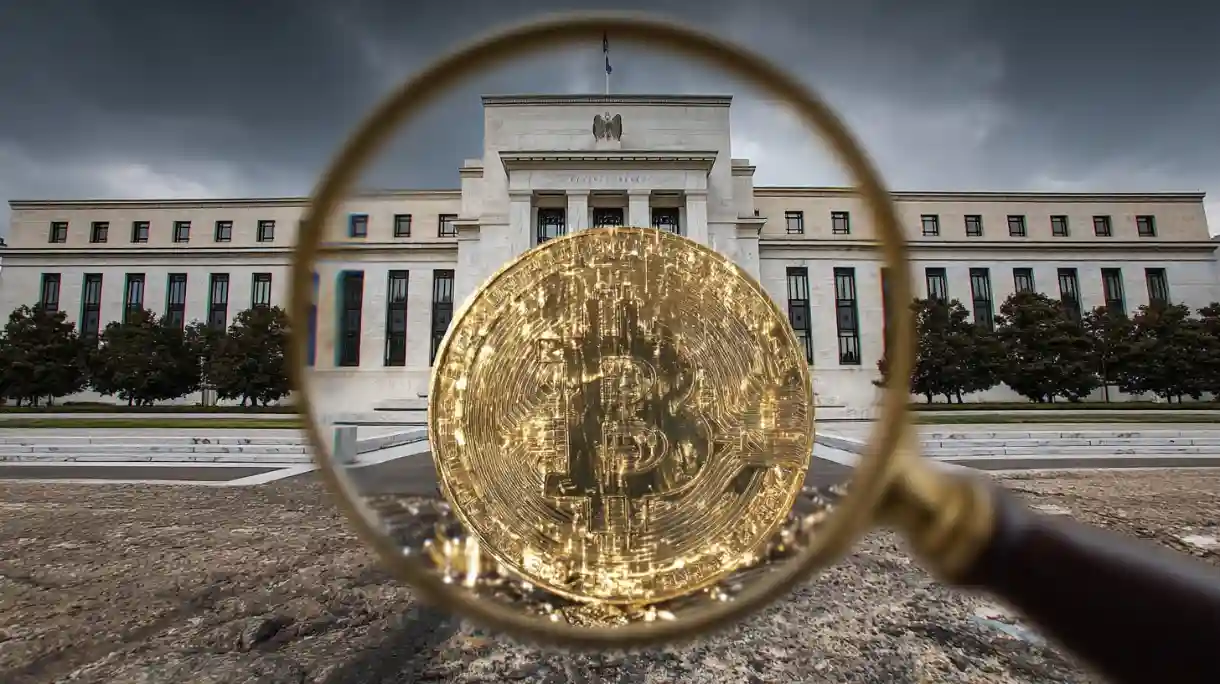
Washington may have just offered the most important cryptocurrency legislation of the decade in the form of a newly released draft of the Digital Asset Market Clarity Act (CLARITY Act).
As it happens, the CLARITY Act is already sending shockwaves through the crypto industry after revealing provisions that could fundamentally reshape how digital assets are classified, traded, and rewarded in the United States.
If passed, the bill would place major crypto assets like XRP, Solana (SOL), Litecoin (LTC), Dogecoin (DOGE), Hedera (HBAR), and Chainlink (LINK) into the same regulatory category as Bitcoin (BTC) and Ethereum (ETH) from day one, which could change everything.

Legal Breakthrough the Crypto Industry Has Been Waiting For
According to a breakdown shared by journalist Eleanor Terrett in an X post on January 13, the revised CLARITY Act introduces a powerful new classification framework for digital assets.
One section of the bill states that any token serving as the principal asset of an exchange-traded fund (ETF) listed on a national securities exchange as of January 1, 2026, will automatically be classified as a non-ancillary asset.
This means it will not be treated as a security, be subject to issuer disclosure requirements, and it will be regulated like a commodity. In practical terms, that paves the way for the treatment of XRP, SOL, LTC, DOGE, HBAR, and LINK the same as BTC and ETH under U.S. law.
Stablecoin Rewards Are Back on the Table
The draft bill also introduces a major breakthrough for stablecoins. Under the new framework, crypto companies would be allowed to offer activity-based rewards tied to payments, transfers and remittances, wallet usage, staking and validation, liquidity provision, governance participation, and loyalty and promotional programs.
However, the bill draws a hard line against interest paid solely for holding a stablecoin, addressing long-standing concerns from U.S. banking groups that yield-bearing stablecoins resemble deposit products. In short, rewards for using stablecoins are allowed, but passive interest just for holding is banned.
This compromise is designed to unlock fintech-style innovation without turning stablecoins into shadow banks.

Why the Market Is Taking This Seriously
Meanwhile, popular crypto trading specialist Michaël van de Poppe called the CLARITY Act:
“Absolutely the biggest event, already in January, and can decide the entire direction of the ecosystem for the entire year 2026.”
He added that while the GENIUS Act moved markets, the CLARITY Act is “that in square.”
In other words, this is the real regulatory unlock. If the bill passes in its current form, it would end years of regulatory uncertainty, remove the securities overhang from major altcoins, open the door for spot ETFs beyond Bitcoin and Ethereum, and unlock institutional capital that has been waiting on legal clarity.
Bitcoin Could Be the First Beneficiary
At a moment when markets are already on edge following Federal Reserve turmoil and DOJ subpoenas targeting Chair Jerome Powell, Bitcoin has been showing resilience around the $90,000 zone.
If the CLARITY Act moves forward, it could become the next major catalyst for a renewed crypto rally. As van de Poppe put it:
“If positive, #Bitcoin towards a new ATH is not far away.”
For institutional investors, regulatory clarity is often more important than price, and Washington may have just delivered it.
What Happens Next
The Senate Agriculture Committee has delayed markup of the bill until the final week of January, citing the need for broader bipartisan support. That sets up January as one of the most pivotal months in crypto history.
If the bill advances, crypto regulation will enter a new era, ETF expansion will become likely, altcoin valuations could reprice rapidly, and institutional adoption will accelerate.
However, if it stalls, then volatility might return, regulatory uncertainty will linger, and capital will stay sidelined.
Bitcoin Price Today
More Must-Reads:
How do you rate this article?
Join our Socials
Briefly, clearly and without noise – get the most important crypto news and market insights first.

Most Read Today
1
Chainlink’s 499% Social Volume Spike: Why Attention is Outpacing Price
2Cardano (ADA) Price Analysis: Quiet Accumulation as Technical Signals Begin to Strengthen
3Mantle’s $1B Milestone: Why MNT is the Next Layer 2 Powerhouse to Watch
4Digital Silver’s Silent Strength: Litecoin (LTC) Fundamental and Technical Dive
5Zcash: The VC-Backed Rebirth of Private Finance
Latest







8
Also read
Similar stories you might like.

Altcoins
Chainlink’s 499% Social Volume Spike: Why Attention is Outpacing Price
Azeez | 2026-03-15

Altcoins
Digital Silver’s Silent Strength: Litecoin (LTC) Fundamental and Technical Dive
Azeez | 2026-03-14
Altcoins
The Institutional Push: Why the Aptos & Mastercard Alliance is a High-Stakes Bet for 2026
Azeez | 2026-03-14

Altcoins
The Institutional Green Light: Analyzing AVAX as Grayscale’s Staking ETF Hits Nasdaq
Azeez | 2026-03-14

Altcoins
The Pi Day Pivot: Can Polkadot’s Massive Supply Cut Fuel a DOT Breakout?
Azeez | 2026-03-14

Altcoins
Ethereum Foundation Drops New Manifesto For The Network; What’s New?
Ana | 2026-03-13
Altcoins
XRP Triangle Pattern Points To Major Upside Target
Ana | 2026-03-13

Altcoins
Whales Quietly Scoop Up Millions Of TRUMP Tokens; What’s Happening?
Rokas | 2026-03-13

Bitcoin
Supply Shock: 204K BTC Leave Exchanges As Whales Stay Dormant
Rokas | 2026-03-13
Bitcoin
Record Strategy Bitcoin Purchase Raises Supply Pressure Questions
Rokas | 2026-03-13