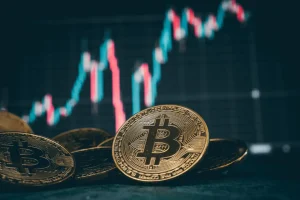

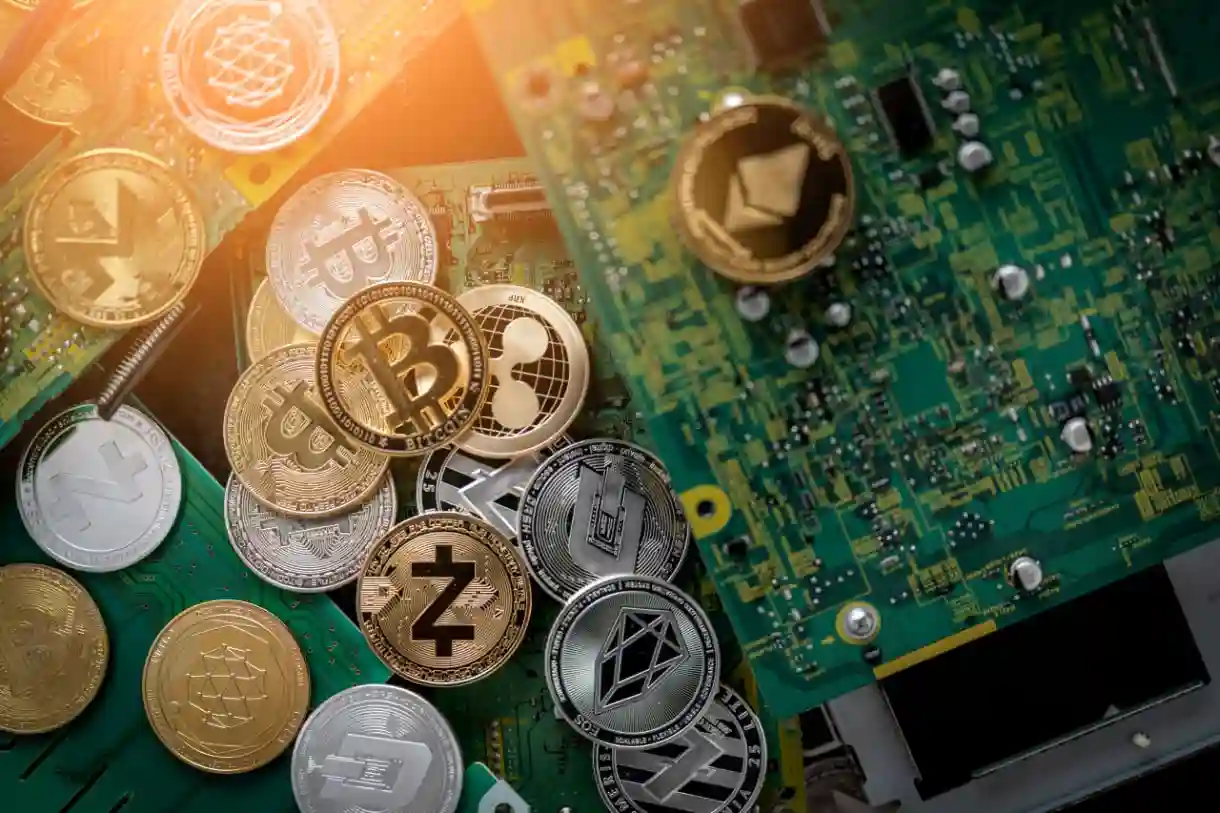
A large amount of altcoins together on top of a motherboard. Source: TechGaged / shutterstock.
Altcoins: A Simple Guide for New Investors
In Brief
- • Altcoins experiment with new technologies like smart contracts, DeFi, scalability, and decentralized governance.
- • Successful altcoin investing depends on research, risk management, and understanding a project’s real utility.
- • Altcoins offer high-risk, high-reward opportunities, making discipline, diversification, and security essential for long-term success.
Ad
Bitcoin may be the pioneer of cryptocurrency, but the digital asset universe has grown far beyond its original design. Today, altcoins, which are any cryptocurrency other than Bitcoin, make up thousands of digital assets with unique features, communities, and investment opportunities.
For new investors, understanding the basics of altcoins is essential to navigating this fast-moving market. While Bitcoin focuses on being a decentralized store of value, altcoins explore new possibilities such as faster transactions, energy-efficient consensus mechanisms, decentralized finance, and much more.
Altcoins help the industry evolve constantly, testing bold ideas that could redefine how we interact with money, ownership, and digital communities.
What are Altcoins?
Contrary to what many beginners think, Altcoins are not simply clones of Bitcoin. They are alternative coins designed to improve upon Bitcoin’s limitations or serve niche-specific purposes.
At their core, altcoins run on blockchain technology, but they often introduce new features. Ethereum, for example, pioneered smart contracts, enabling decentralized applications. Solana emphasizes speed and scalability, while XRP focuses on cross-border payments. Thousands of other altcoins exist, each with its own mission and community.
They exist to address Bitcoin’s shortcomings, such as slow transaction speeds, limited scalability, and high energy consumption. Moreover, they serve specialized roles in emerging sectors like decentralized finance, gaming, and digital art.
Some altcoins are designed to improve transaction speeds, others to enable complex financial instruments, and some power decentralized governance systems where communities vote on project decisions.
Types of Altcoins
Altcoins cover every corner of crypto culture, from serious financial tools to playful meme coins. Understanding their categories helps investors evaluate their purpose and risk profile.
Utility Tokens
These are designed for use within specific ecosystems. For example, Binance Coin is used to pay fees on the Binance exchange and has expanded into payments and decentralized applications. Utility tokens often gain value as their ecosystems grow.
Stablecoins
Stablecoins are pegged to fiat currencies like the United States dollar. Coins such as USDT and USDC provide stability in a volatile market. They are widely used for trading and as safe havens during downturns.
Security Tokens
These represent ownership in assets, similar to traditional securities, but issued on blockchains. They are less common but could play a major role in tokenizing real-world assets like real estate or stocks.
Governance Tokens
These allow holders to vote on decisions in decentralized projects. Uniswap’s UNI token is a prime example, giving users a say in how the platform evolves.
Memecoins
Essentially community-driven tokens, often created for fun or speculation. Dogecoin and Shiba Inu are the most famous, showing how internet culture can drive massive adoption even if the fundamentals are weak.
These categories highlight the diversity of altcoins. Some are practical tools, while others are speculative bets fueled by community enthusiasm. For investors, recognizing the difference is crucial.

Learning to Evaluate Altcoins
Not every altcoin is a winner. This is why research is your best defense against hype and scams. Moreover, new investors often struggle to separate promising projects from empty promises.
Here are key factors you should consider when doing your own research that will teach you how to avoid common beginner mistakes:
Whitepaper & Roadmap
A serious project will publish a clear whitepaper explaining its purpose, technology, and goals. While a roadmap shows long-term vision and goals the development team aims to accomplish. If these documents are vague or missing, it should be considered a red flag.
Team & Community
Transparent leadership and an active user base are signs of credibility. Anonymous teams or inactive communities often signal trouble, given that a strong community can sustain a project even during downturns.
The Technology Behind It
Speed, scalability, and security features matter. Always question if the coin offers technical innovation or if it’s simply copying existing models. Ethereum’s smart contracts were revolutionary, while many later projects simply replicated them.
Market Capitalization & Liquidity
Larger market capitalizations generally mean more stability. While liquidity ensures you can buy or sell without difficulty.
Low liquidity coins can trap investors when prices fall. However, low market cap projects often represent the highest potential for massive gains when investing early, and this is when the other factors of evaluation need to come into play to consider it a smart investment opportunity.
Utility or Use-Case
When evaluating an altcoin, it’s important to determine whether the coin solves an existing issue or is simply a community-based project.
For example, Polygon aims to solve Ethereum’s scaling issues, making it highly relevant to the industry. On the other hand, coins like PEPE aim to grow based on community adoption and hype.
Evaluating altcoins requires skepticism. If a project promises guaranteed returns or lacks transparency, it is best avoided. Remember that in crypto, hype can be louder than substance.
What Makes Altcoins Attractive?
Altcoins are the testing ground for crypto’s boldest ideas, and that’s one of the many reasons investors feel attracted to them. Some focus on innovation, like Ethereum introducing smart contracts, or Solana offering lightning-fast transactions. Each altcoin focuses on pushing boundaries in its own unique way.
Also, smaller coins can surge faster than Bitcoin, making them attractive in terms of potential returns. While still risky, they offer opportunities for increased gains, given that a coin with a low market cap can quickly multiply in value if adoption grows.
Altcoins also allow for diversification. Providing investors with the opportunity to spread exposure across different niches, reducing reliance on Bitcoin alone. This helps investors balance risk and reward.
For many crypto enthusiasts, altcoins represent the frontier of digital finance, where risk meets innovation. They’re not just investments but also experiments in how technology can reshape industries.
Risks of Investing in Altcoins
High rewards come with high risks. That’s why altcoins demand caution, especially for beginner investors.
One of the most important risks to understand about buying these assets is that they’re highly volatile, even by crypto standards. Prices can swing wildly within hours, which can be profitable for day traders but stressful for long-term holders.
Also, many altcoins are subject to regulatory uncertainties, with sudden policy changes impacting prices dramatically. However, the most important risk associated with these projects is the high possibility of scams and “rug pulls.” Given that many altcoins exist only to exploit hype, with developers abandoning the project soon after taking investors’ funds through noisy momentum.
This is why proper research and due diligence are vital for successful investing.
Understanding these risks is crucial. Altcoins can be profitable, but only if approached with discipline and awareness. Treat them as high-risk, high-reward assets, not guaranteed pathways to wealth.
How to Start Investing in Altcoins
For new investors, the best approach is to be cautious and methodical. Some practical steps to start investing in altcoins include:
Choosing a Reliable Exchange
Regulated, Centralized Exchanges, or CEX, are the best option when it comes to investing in high-risk assets. Platforms like Binance, Coinbase, and Kraken are trusted by millions and comply with important regulations that allow their operations. It’s always paramount to avoid obscure exchanges with poor reputations.
Securing Your Wallet
If you’re holding long-term, hardware wallets are always a safe bet. Never leave large amounts of capital on exchanges, given that even if they’re reputable, they’re still vulnerable to hacks.
Starting Small
Always invest what you can afford to lose, especially when it comes to altcoins. Crypto as a whole is risky, and beginners should treat early investments as learning experiences.
Keeping Track & Learning
Always make sure to monitor your portfolio’s performance and follow credible news sources to stay informed. The crypto landscape changes rapidly, and staying updated is essential.
Investing in altcoins is a journey. Start small, stay safe, and let experience guide your decisions. Over time, you’ll develop instincts for spotting promising projects and avoiding expensive traps.
Succeed Through Discipline
For new investors, the journey begins with curiosity but succeeds with patience and discipline. Altcoins may be volatile, but they also represent the cutting-edge of digital innovation.
By approaching altcoin investing with patience, research, and risk management, you can navigate this expanding market with a sense of confidence. Altcoins are not just speculative assets, they’re experiments that aim to reshape the way we think about money, ownership, and technology.
For those willing to learn and adapt, altcoins offer a front row seat to the future of digital finance.
How do you rate this article?
Subscribe to our YouTube channel for crypto market insights and educational videos.






Join our Socials
Briefly, clearly and without noise – get the most important crypto news and market insights first.

Most Read Today
1
Chainlink’s 499% Social Volume Spike: Why Attention is Outpacing Price
2Cardano (ADA) Price Analysis: Quiet Accumulation as Technical Signals Begin to Strengthen
3Digital Silver’s Silent Strength: Litecoin (LTC) Fundamental and Technical Dive
4Mantle’s $1B Milestone: Why MNT is the Next Layer 2 Powerhouse to Watch
5The Pi Day Pivot: Can Polkadot’s Massive Supply Cut Fuel a DOT Breakout?
Latest


8
Also read
Similar stories you might like.

Altcoins
Ethereum Foundation Drops New Manifesto For The Network; What’s New?
Ana | 2026-03-13
Altcoins
XRP Triangle Pattern Points To Major Upside Target
Ana | 2026-03-13

Altcoins
Whales Quietly Scoop Up Millions Of TRUMP Tokens; What’s Happening?
Rokas | 2026-03-13
Bitcoin
Supply Shock: 204K BTC Leave Exchanges As Whales Stay Dormant
Rokas | 2026-03-13
Bitcoin
Record Strategy Bitcoin Purchase Raises Supply Pressure Questions
Rokas | 2026-03-13
Bitcoin
Should You Sell Bitcoin at $100K? Here’s What ChatGPT Says
Rokas | 2026-03-12

Bitcoin
Bitcoin Tax Debate Intensifies After Coinbase Lobbying Allegations
Ana | 2026-03-12
Bitcoin
12 Countries Are Quietly Mining Bitcoin, VanEck Analyst Claims
Ana | 2026-03-12
Bitcoin
Another Public Company Buys More Bitcoin; Nears $1B in BTC
Ana | 2026-03-12
Industry
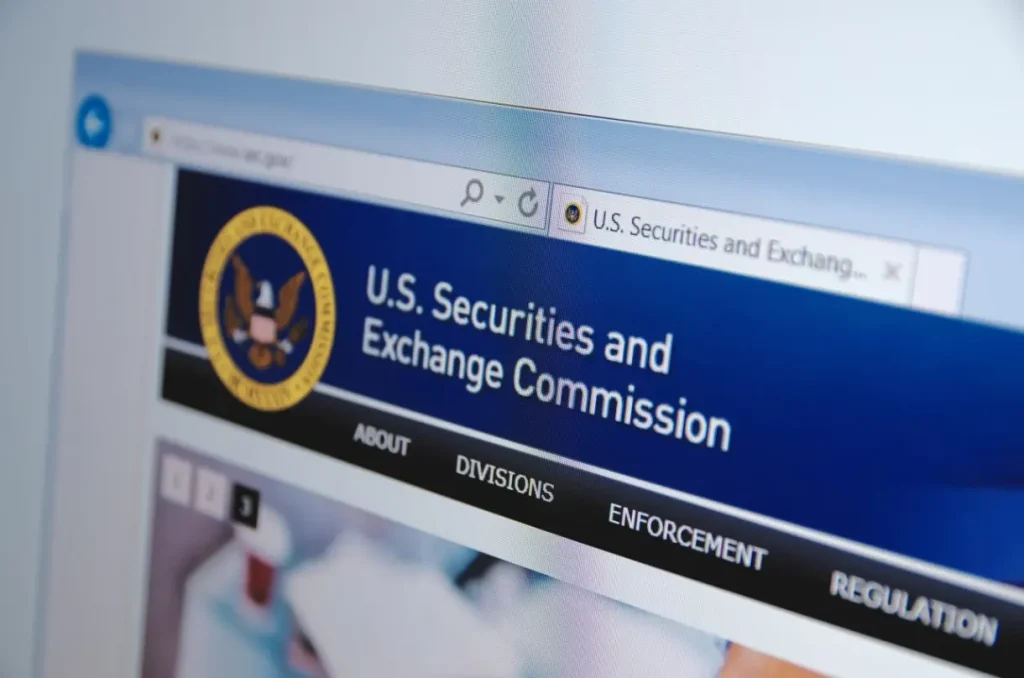
SEC And CFTC Sign Historic Agreement To Coordinate Regulation
Ana | 2026-03-12