














Crypto coins gavel. Source: TechGaged / Shutterstock
Australia Passes Crypto Law, Exchanges Face New Rules
In Brief
- • Australia passed a law bringing crypto under financial regulation.
- • Exchanges and custody platforms will face stricter rules.
- • The move aims to reduce uncertainty and standardize oversight.
Ad
Australia has passed its Corporations Amendment (Digital Assets Framework) Bill 2025, pushing it through both houses of parliament on April 1. The legislation sets clear definitions for digital tokens, crypto platforms, and custody services under existing financial law. The move brings crypto firms closer to the same regulatory standards as traditional financial services.
What the new law actually does
Specifically, the bill updates the Corporations Act 2001 and the Australian Securities and Investments Commission Act 2001, folding crypto into the country’s financial rulebook, according to the bill’s first reading.

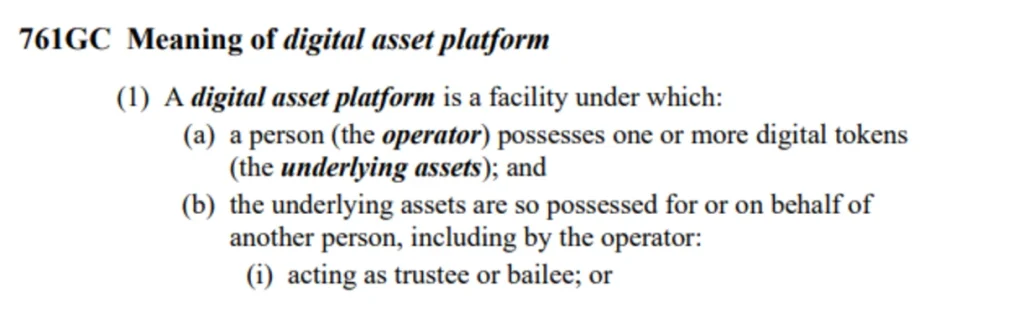
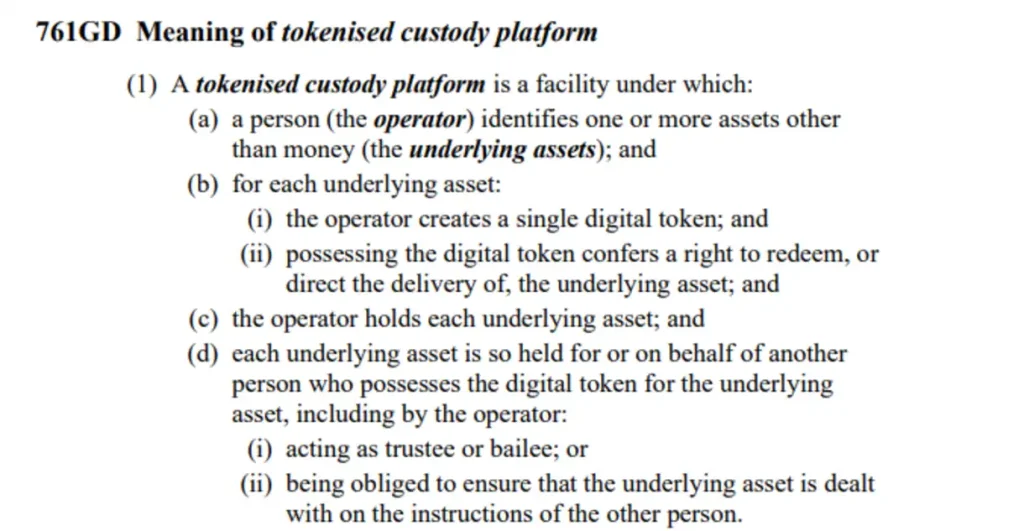
It introduces legal definitions for digital tokens and separates two key structures: digital asset platforms and tokenized custody platforms.
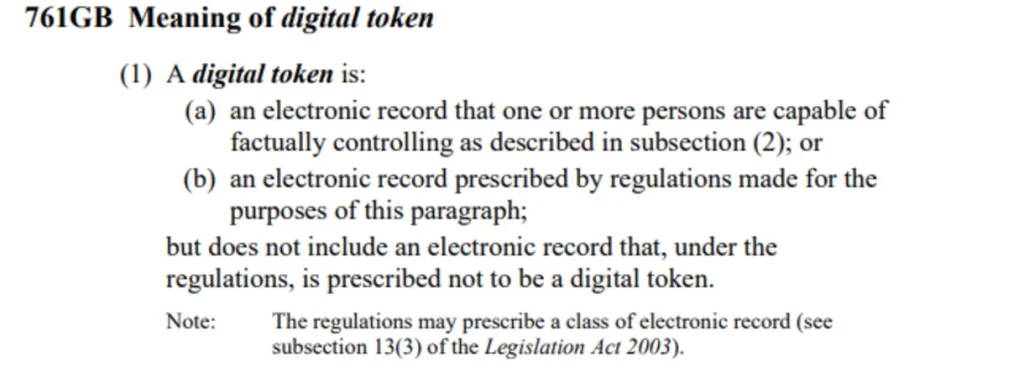
One covers platforms that hold crypto on behalf of users, similar to exchanges. The other focuses on tokenized representations of assets where ownership rights are tied directly to tokens.
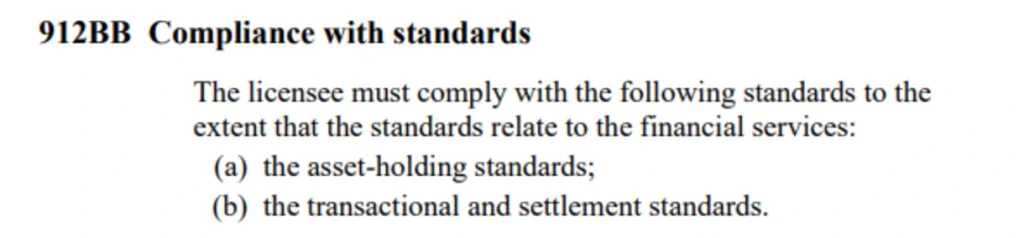
Under the framework, these platforms fall under financial services law. That means licensing, compliance requirements, disclosure rules, and oversight from regulators.
The law also gives regulators more flexibility. Authorities can impose restrictions, set operational standards, and intervene if platforms pose risks to users or the broader financial system.
Why this matters for crypto companies
This is not a soft framework or a sandbox. It pulls crypto businesses into a structured regulatory environment.
For exchanges and custodians, that likely means higher compliance costs and stricter operating requirements. At the same time, it reduces uncertainty that has slowed institutional involvement.
The bill also allows targeted exemptions for certain token arrangements, which suggests regulators are trying to avoid a one-size-fits-all approach. The law takes effect after Royal Assent and a transition period, giving companies time to adjust.
Other jurisdictions are moving in the same direction as well, but this framework is more detailed than many early attempts. All things considered, crypto is being treated less like an experiment and more like infrastructure that needs rules.
How do you rate this article?
Subscribe to our YouTube channel for crypto market insights and educational videos.






Join our Socials
Briefly, clearly and without noise – get the most important crypto news and market insights first.
Most Read Today
1
How Accurate Are Robert Kiyosaki’s Predictions?
2AI Tokens Split from Crypto; Up 6% While the Market Drops 21% in Q1
3Quantum Breakthrough Sparks Fresh Fear for Bitcoin Security
4Crypto Apps Exposed to Risk After Malicious Axios Versions Go Live
5New U.S. Bill Backs Domestic Bitcoin Mining Industry
Latest





8
Also read
Similar stories you might like.

Market
Is It a Good Time to Buy Crypto Right Now?
Sead | 2026-04-01

Bitcoin
History in the Making: Moody’s Rates First Bitcoin-Backed Revenue Bonds
Rokas | 2026-04-01

Altcoins
2 AI Tokens to Buy Right Now
Azeez | 2026-04-01

Bitcoin
CZ Explains Why Quantum Computing Won’t Kill Crypto
Ana | 2026-04-01

Bitcoin
New U.S. Bill Backs Domestic Bitcoin Mining Industry
Ana | 2026-03-31
Industry
AI Tokens Split from Crypto; Up 6% While the Market Drops 21% in Q1
Jastra | 2026-03-31

Altcoins
Ripple CEO Says U.S. Can’t Survive “Gensler 2.0”
Rokas | 2026-03-31

Blockchain
Crypto Apps Exposed to Risk After Malicious Axios Versions Go Live
Rokas | 2026-03-31

Market
How Accurate Are Robert Kiyosaki’s Predictions?
Sead | 2026-04-01
Industry
Trump Backs Bitcoin, Stablecoins In New Pro-Crypto Push
Ana | 2026-03-30