










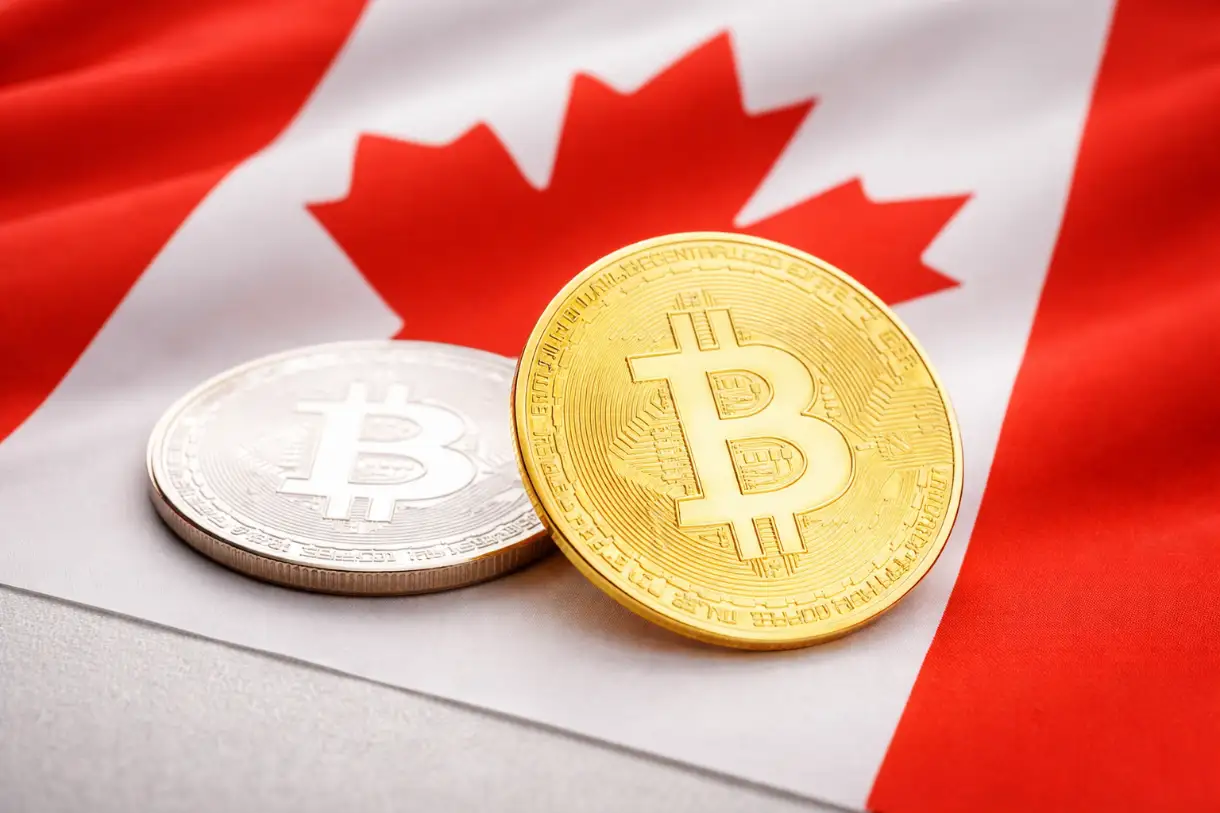
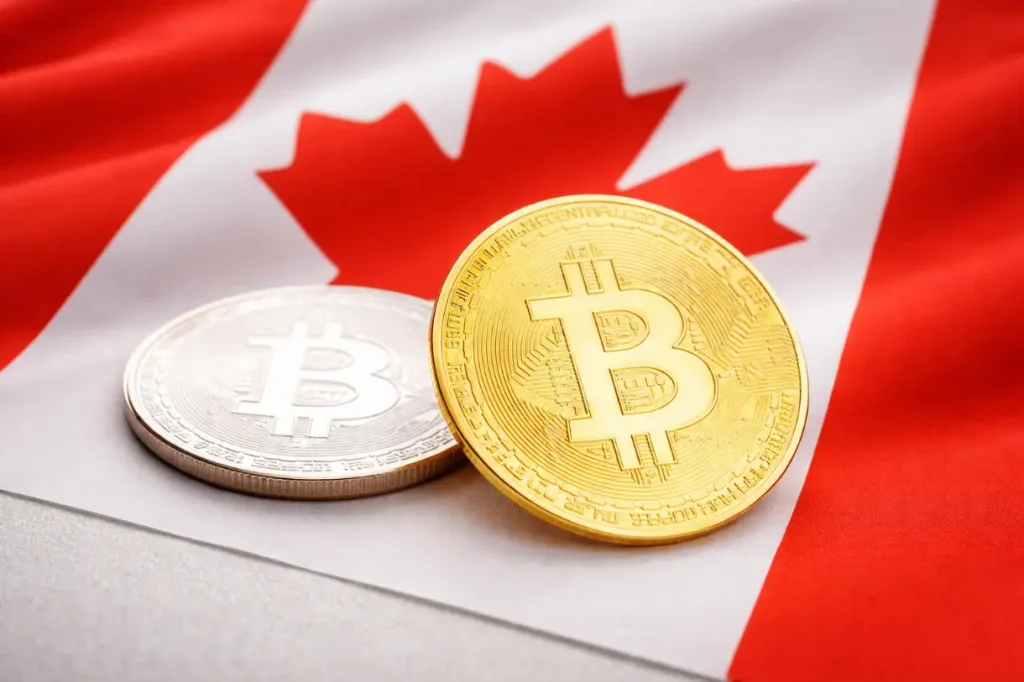
Bitcoin coins placed in front of the Canadian flag, symbolizing Canada’s launch of a new crypto custody framework aimed at reinforcing institutional safeguards.
A Major Shift Is Coming to Crypto Custody in Canada
In Brief
- • Canada introduces tiered custody rules to reduce counterparty risk.
- • New standards focus on insurance, audits, and legal accountability.
- • Framework targets failures exposed by past crypto exchange collapses.
Ad
Canada has rolled out a new regulatory framework designed to tighten how crypto assets are held, insured, and audited. The changes aim to reduce custody risk by imposing stricter operational standards on platforms that hold digital assets on behalf of users.
The framework, formally published by Canadian Investment Regulatory Organization (CIRO), applies to crypto trading platforms and custodians operating under its oversight.
At its core, the policy introduces a tiered custody model. Distinguishing between qualified custodians, in-house custody, and third-party arrangements.
What This New Crypto Custody Framework Changes
Under the new rules, crypto assets held for clients must meet higher standards around segregation, transparency, and legal ownership.
Moreover, platforms must separate client assets from corporate funds and ensure custody arrangements are legally enforceable even in insolvency scenarios.
CIRO explicitly highlighted the motivation behind the framework, stating:
“The purpose of this framework is to enhance investor protection by reducing the risks associated with custody of digital assets, including risks arising from insolvency, misuse, or misappropriation of client assets.”
Additionally, the framework introduces stricter expectations around insurance coverage, audit trails, and operational controls. Especially for platforms that self-custody or rely on affiliated entities.
Therefore, firms using non-qualified custodians now face higher capital and reporting requirements.
This Matters for Crypto Adoption and Trust
While the rules are framed as investor protection measures, their broader implication is structural.
Indeed, by formalizing custody standards, Canada is saying that crypto markets are expected to operate under institution-grade safeguards.
Furthermore, this move directly addresses the failures exposed by QuadrigaCX, where a lack of asset segregation, independent custody, and oversight led to billions in losses.
By enforcing clearer accountability and custody liability, regulators aim to prevent similar single-point-of-failure collapses.
For compliant platforms, the framework could act as a trust accelerator. Therefore, it encourages institutional participation and reinforces Canada’s position as a regulated crypto jurisdiction.
Finally, Canada isn’t banning crypto or slowing adoption. It’s drawing a line around how digital assets must be protected if platforms want access to regulated markets.
More Must-Reads:
How do you rate this article?
Subscribe to our YouTube channel for crypto market insights and educational videos.






Join our Socials
Briefly, clearly and without noise – get the most important crypto news and market insights first.






8
Also read
Similar stories you might like.

Industry
Trump Backs Bitcoin, Stablecoins In New Pro-Crypto Push
Ana | 2026-03-30
Industry
Canada Proposes Ban on Crypto Political Donations
Ana | 2026-03-30

Altcoins
Ethereum Foundation Makes Record ETH Staking Move
Ana | 2026-03-30
Bitcoin
Bitcoin Miners Turn to AI as Profits Collapse
Ana | 2026-03-30

Bitcoin
Mystery Deepens as $400M ‘Lost’ Bitcoin Suddenly Moves
Rokas | 2026-03-30

Altcoins
Kiyosaki Warns of Inflation Crisis, Lists 6 Safest Investments for 2026
Rokas | 2026-03-30
Altcoins
TRON Moves Toward Institutions: How Anchorage Support Could Influence TRX Price
Azeez | 2026-03-29

Altcoins
Gold Enters DeFi: Tether’s XAUt Expansion to BNB Chain Could Shift Market Dynamics
Azeez | 2026-03-29

Altcoins
Sui Approaches 800K Users as Token Unlock Nears — Can Price Stay Resilient?
Azeez | 2026-03-29

Altcoins
Could SpaceX’s IPO Be the Catalyst That Sends Dogecoin Above $0.10?
Azeez | 2026-03-29