








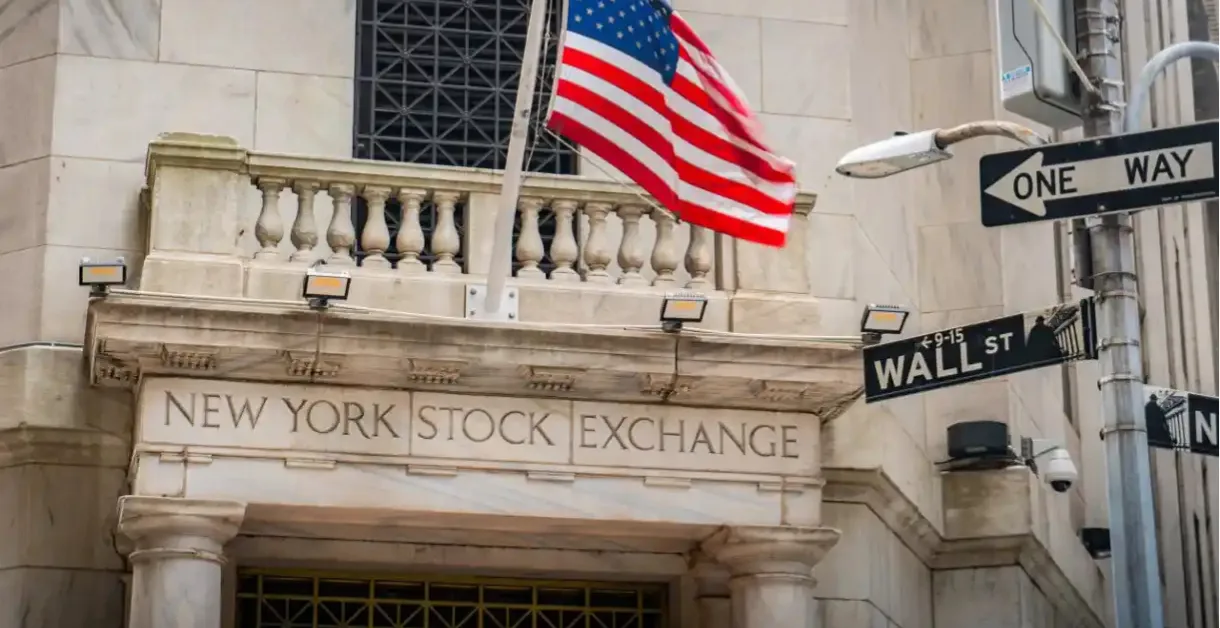
JPMorgan is now accepting Bitcoin and Ethereum as live collateral, folding crypto directly into its credit machinery. Source: Techgaged
This Major Bank Turns Bitcoin Into Bank-Grade Collateral
In Brief
- • JPMorgan now accepts Bitcoin and Ethereum as collateral for institutions.
- • The move expands liquidity and reduces forced selling pressure.
- • Crypto assets gain bank-grade recognition inside regulated finance.
JPMorgan Chase has begun accepting Bitcoin and Ethereum as collateral for institutional clients.
Importantly, this is not a pilot framed in future tense. Rather, it is live.
Clients can now pledge BTC and ETH to secure financing, while approved third-party custodians safeguard the assets. In effect, the bank operationalized crypto collateral inside its credit machinery.
At the same time, the structure mirrors familiar banking practice.
JPMorgan applies conservative margins, continuous pricing, and active risk controls, just as it does with equities or commodities.
Consequently, the move signals readiness, not rhetoric. It also closes a narrative loop.
Assets once dismissed as speculative now back credit at a systemically important bank. That shift matters more than a headline.
What This Changes for the Market Right Now
First, liquidity options expand immediately. Institutions no longer face a binary choice between holding crypto or selling it to raise cash.
Instead, they can borrow against BTC and ETH, keep exposure, and deploy capital elsewhere. As a result, structural sell pressure eases during volatility.
Second, capital efficiency improves. Treasury teams can treat crypto as working capital. Hedge funds can hedge without liquidation. Market makers can smooth inventory.
Therefore, balance-sheet management becomes more flexible across strategies.
Third, price discovery tightens. A bank does not accept collateral without robust valuation, real-time feeds, and stress testing.
Consequently, JPMorgan’s framework reinforces confidence in custody standards and reference pricing. Even participants outside the program benefit from that signal, because infrastructure confidence travels.
Finally, volatility drivers change. Forced liquidations matter less when credit replaces fire sales. Over time, this shift can dampen reflexive moves during drawdowns, while encouraging deliberate positioning.
Bitcoin Price Today
Why This Matters for Finance and Regulation Today
Zooming out, the regulatory signal stands out. Banks operate under strict capital and compliance rules.
By accepting BTC and ETH as collateral, JPMorgan demonstrates that these assets fit within supervisory models. With adjustments rather than exceptions.
In turn, that normalizes crypto inside traditional credit plumbing.
Moreover, collateral eligibility equals trust at the system level. It places Bitcoin and Ethereum closer to commodities and equities, and farther from experimental instruments.
Regulators often follow banks that integrate cautiously and transparently, not ideologically.
Additionally, competitive pressure rises. Once one global bank operationalizes crypto collateral, peers must decide whether to follow or explain why they cannot.
That dynamic accelerates convergence across institutions.
In the end, today did not look loud. Yet it marked a quiet reclassification. Bitcoin and Ethereum crossed from “investable” to bankable. The narrative did not flip overnight. Instead, it locked into place.
More Must-Reads:
How do you rate this article?
Subscribe to our YouTube channel for crypto market insights and educational videos.






Join our Socials
Briefly, clearly and without noise – get the most important crypto news and market insights first.
Most Read Today
1
Coinbase Lands OCC Approval in Major U.S. Crypto Shift
2Ripple’s Brokerage Arm Lands Investment-Grade Rating as Expansion Continues
360,000 GPUs on the Line: Could Render’s RNP-023 Ignite a Supply Crunch?
4NEAR Horizon: Is the Ecosystem Ready for the Next Wave of Mass Adoption?
5TAO Subnet Reality Check: Revenue vs. Subsidies – What Investors Must Know After the Rally
Latest






8
Also read
Similar stories you might like.
Bitcoin
Bitcoin Consolidation Continues as Market Signals Rising Volatility; What’s Next?
Ana | 2026-04-03

Industry
Two More U.S. States Grant DAOs Legal Recognition
Ana | 2026-04-03
Defi
Coinbase Lands OCC Approval in Major U.S. Crypto Shift
Ana | 2026-04-03
Defi
CFTC Sues Arizona, Illinois, Connecticut for Blocking Prediction Markets
Rokas | 2026-04-03
Altcoins
60,000 GPUs on the Line: Could Render’s RNP-023 Ignite a Supply Crunch?
Azeez | 2026-04-03
Defi
Ripple’s Brokerage Arm Lands Investment-Grade Rating as Expansion Continues
Rokas | 2026-04-03

Altcoins
NEAR Horizon: Is the Ecosystem Ready for the Next Wave of Mass Adoption?
Azeez | 2026-04-03

Defi
Major EU Bank CaixaBank Moves Into Crypto Under MiCA
Ana | 2026-04-02

Blockchain
Solana-Based Drift Protocol Halts Operations After Security Breach; What Happened?
Ana | 2026-04-02
Industry
Iran Demands Crypto, Yuan Fees For Passage Through Hormuz
Ana | 2026-04-02