











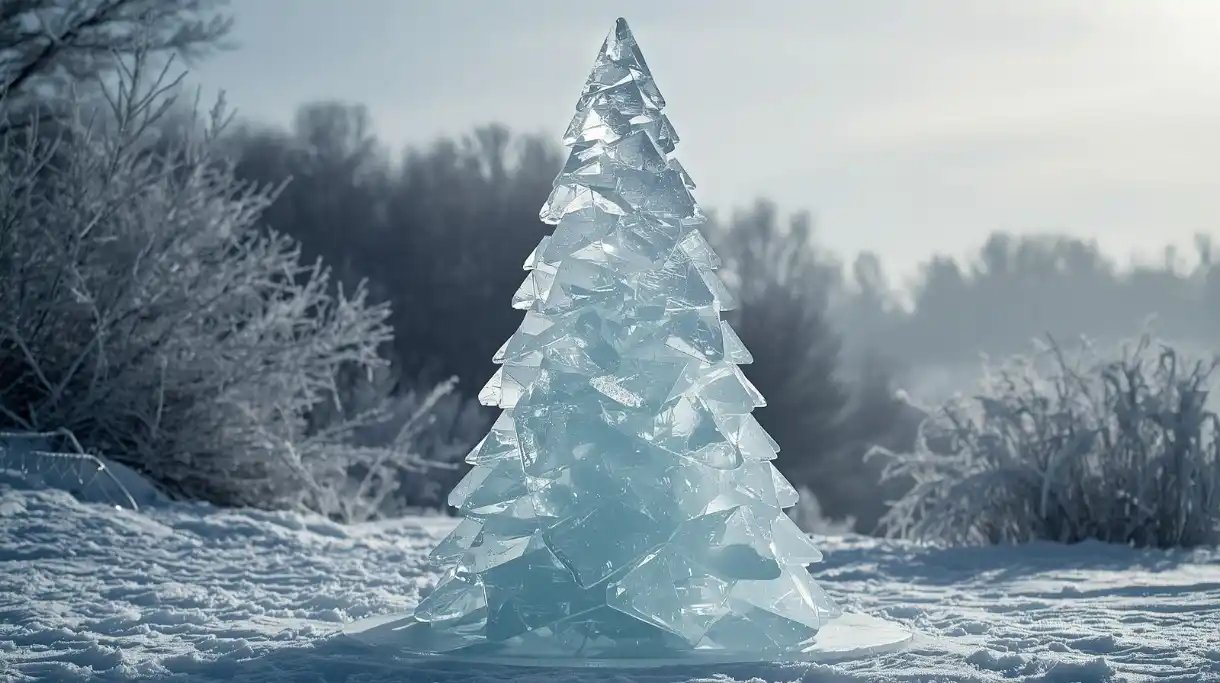
An ice Christmas tree in the middle of nowhere
New Technique Creates 3D-Printed Christmas Trees from Ice
In Brief
- • Scientists have successfully used a new method to 3D-print a Christmas tree from ice.
- • The technique is able to create precise ice structures without external cooling agents.
- • Researchers say the low-cost, contamination-free process could have broader applications.
Ever thought of making a Christmas tree using Ice? Scientists at the University of Amsterdam have made that a reality and even more. They have succeeded in 3D-printing ice into a Christmas tree using an unusual approach for the first time.
Ad
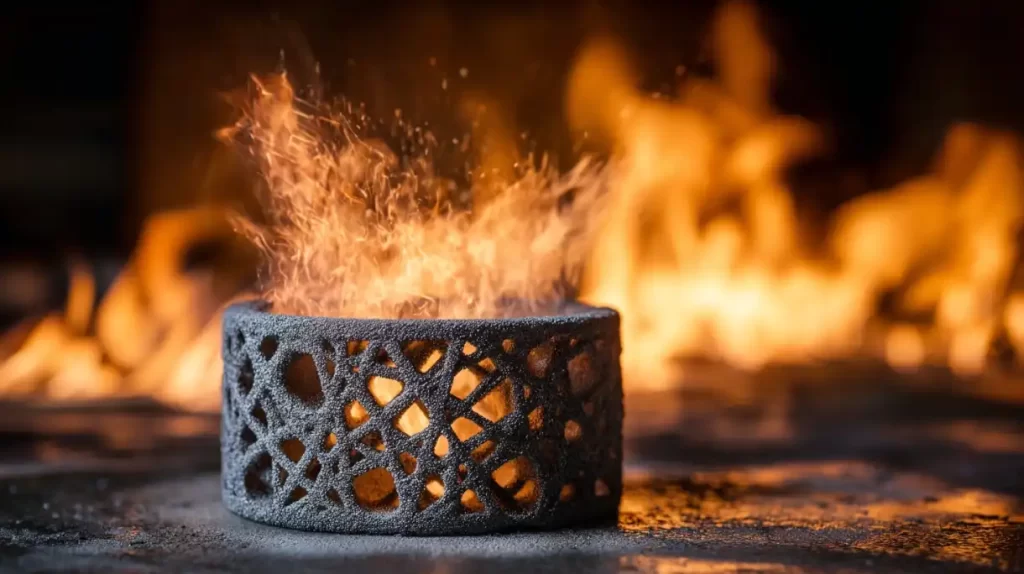
According to a scientific publication on 17, the scientists used a principle called evaporative cooling to create the Christmas tree. They froze water in a micrometer-scale jet and sprayed water in vacuum to get rid of air drag.
In the process, they noticed that the spray droplets also froze, and putting a 3D printer in the vacuum chamber with the jet nozzle as the printing head allowed them to print an ice Christmas tree.
A New Application in 3D Printing
Evaporative cooling is a principle in which water molecules at the liquid surface escape continuously as vapor, with each departing molecule carrying heat with it and thus cooling the surface. While it is not a new principle, this is the first time it is being applied in 3D printing and its effect is far reaching.
Ad
The scientists used a very fine jet with a very high surface-to-volume ratio and efficient heat extraction for the printing. As the bulk liquid cools rapidly, the substrate or a previously deposited ice layer freezes just after it touches the jet, thus creating the tree.
While previous ice-printing methods relied on cooled substrates or cooling substances such as liquid nitrogen and helium, this approach integrates the jet into a commercial 3D printer housed inside a transparent vacuum chamber. With the printer’s motion control guiding the water jet layer-by-layer, the system is able to build geometry on demand.
This new approach also ensures minimal operational cost compared to older systems, and the printed ice is pure with no dopants, no supporting material, and no foreign particles. The scientists say this method can be applied in other areas of research such as tissue engineering and can also be useful in biomedical and microfluidic applications.
Wide Applications of 3D Printing Technology
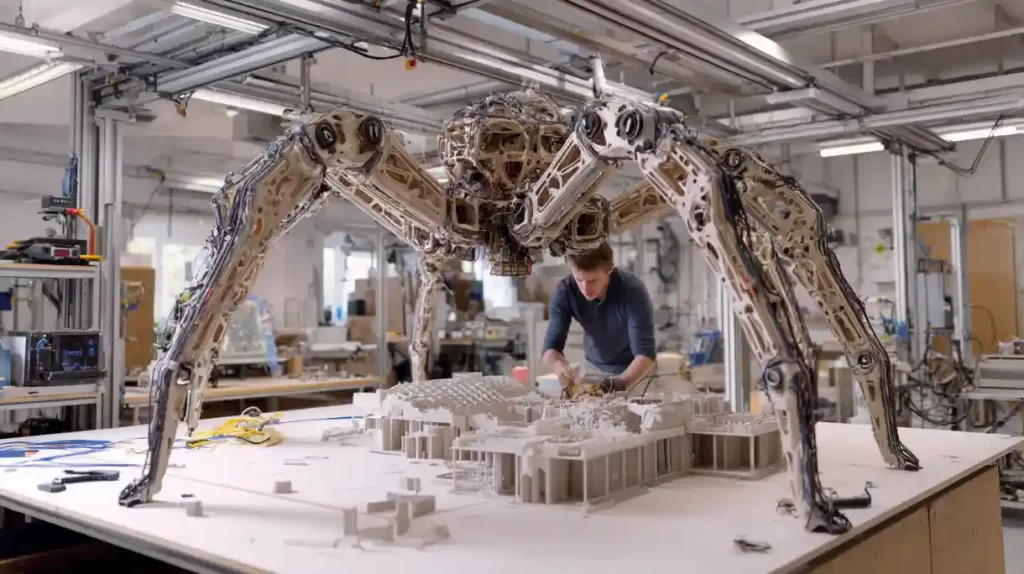
3D printing technology has become widely used for many applications ranging from domestic to space exploration. Chinese astronauts recently created 3D-printed buildings on the moon using lunar soil.
Scientists have also used the technology to change the structure of Aluminium, allowing it to be used in high temperature systems like combustion engines where temperatures reach up to 300 Degree Celsius.
More Must-Reads:
How do you rate this article?
Subscribe to our YouTube channel for crypto market insights and educational videos.






Join our Socials
Briefly, clearly and without noise – get the most important crypto news and market insights first.

Most Read Today
1
Peter Schiff Warns of a U.S. Dollar Collapse Far Worse Than 2008
2Dubai Insurance Launches Crypto Wallet for Premium Payments & Claims
3XRP Whales Buy The Dip While Price Goes Nowhere
4Samsung crushes Apple with over 700 million more smartphones shipped in a decade
5Luxury Meets Hash Power: This $40K Watch Actually Mines Bitcoin
Latest