










New Senate Bill Brings Long-Awaited Clarity For Crypto Developers
Ad
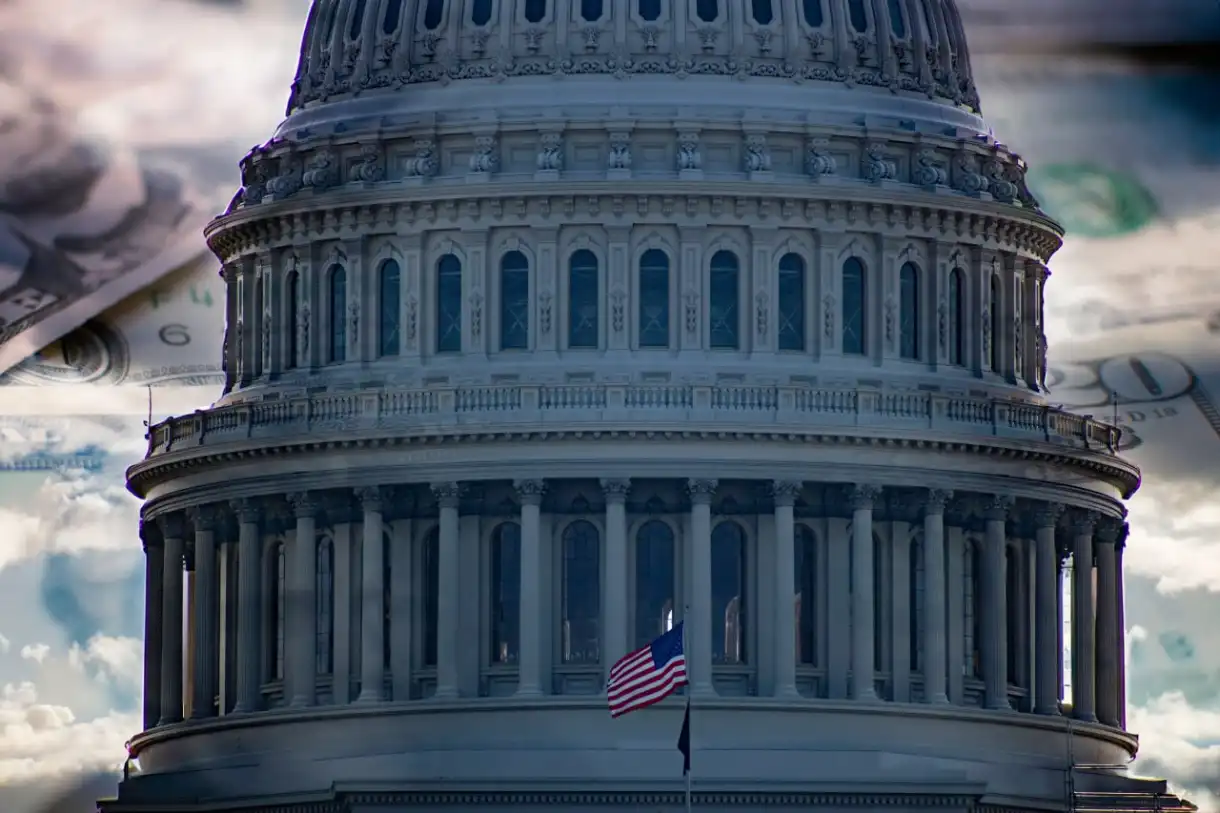
U.S. lawmakers are accelerating efforts to lock in long-awaited protections for cryptocurrency developers as Washington races towards passing sweeping digital asset legislation in early 2026.
Specifically, senators Cynthia Lummis and Ron Wyden have introduced the Blockchain Regulatory Certainty Act (BRCA), a standalone bill designed to ensure that blockchain developers and infrastructure providers are not treated as money transmitters simply for writing code or maintaining decentralized networks.
The proposal arrives as Congress prepares to advance a broader crypto market structure bill, which includes similar protections and is headed for markup in the Senate Banking Committee later this month.
Ending the “Developer as Bank” Narrative
At the center of the legislation is a clear legal distinction, where developers who do not custody, control, or move user funds should not fall under federal or state money-transmission laws.
Under the BRCA, non-custodial software developers and infrastructure providers would not be classified as financial intermediaries solely for writing or publishing blockchain software, maintaining distributed ledger networks, providing infrastructure for self-custody wallets, or supporting decentralized applications (dApps).
As Senator Lummis said:
“Writing code is not the same as controlling money, and developers who build blockchain infrastructure without touching user funds shouldn’t be treated like banks. Ron Wyden and I are ensuring that won’t happen.”
The bill seeks to reverse years of regulatory uncertainty that many in the industry believe has driven innovation offshore and exposed developers to legal risk simply for maintaining open-source systems.
Response to Rising Legal Pressure
The move follows mounting concern across the crypto sector after high-profile prosecutions of open-source developers, including the cases against Tornado Cash developers Roman Storm and Alexey Pertsev.
Those cases sent shockwaves through the industry, raising fears that the authorities could hold programmers criminally liable for how third parties use their software.
In a statement, Lummis warned that treating developers as financial institutions “makes no sense when they never touch, control, or have access to user funds,” adding that overly aggressive enforcement threatens to push the next generation of financial infrastructure out of the U.S. entirely.

Industry Backs the Bill
Crypto advocacy groups quickly threw their support behind the BRCA.
The DeFi Education Fund called the proposal “critical protections for software developers of non-custodial, decentralized technologies,” while the Blockchain Association said the bill is essential to preserving innovation in the U.S.
In an X post on January 12, Paradigm’s vice president of government affairs, Alexander Grieve, described the bill as “crucial legislation to support US blockchain development.”
Market Structure Bill Gains Momentum
The BRCA’s protections are also mirrored in the wider crypto market structure bill, which is moving toward markup in the Senate Banking Committee. The Senate Agriculture Committee, which also oversees parts of the legislation, has delayed its hearing until the final week of January to secure broader bipartisan backing.
While draft provisions can still go through amendments or removals, lawmakers are under pressure to deliver regulatory clarity after years of stalled crypto legislation.
If passed, the combined framework would represent the most comprehensive crypto regulatory overhaul in U.S. history, defining token classifications, stablecoin rules, and now, developer protections.
Turning Point for U.S. Crypto Policy
Meanwhile, supporters argue the bill could mark a turning point for American crypto innovation, giving developers the legal certainty they need to build next-generation financial infrastructure at home. Indeed, as the Blockchain Association said:
“Clear rules are essential for innovation to thrive in the U.S., and it’s critical that the Blockchain Regulatory Certainty Act (BRCA) remains in market structure legislation.”
With multiple crypto bills now advancing simultaneously, January 2026 is shaping up to be one of the most consequential months in U.S. digital asset regulation.
More Must-Reads:
How do you rate this article?
Subscribe to our YouTube channel for crypto market insights and educational videos.






Join our Socials
Briefly, clearly and without noise – get the most important crypto news and market insights first.

Most Read Today
1
Chainlink’s 499% Social Volume Spike: Why Attention is Outpacing Price
2Cardano (ADA) Price Analysis: Quiet Accumulation as Technical Signals Begin to Strengthen
3Mantle’s $1B Milestone: Why MNT is the Next Layer 2 Powerhouse to Watch
4Zcash: The VC-Backed Rebirth of Private Finance
5Digital Silver’s Silent Strength: Litecoin (LTC) Fundamental and Technical Dive
Latest






8
Also read
Similar stories you might like.

Bitcoin
Robert Kiyosaki Reveals 4 Assets He’s Buying Amid Geopolitical Carnage
Rokas | 2026-03-16

Altcoins
Chainlink’s 499% Social Volume Spike: Why Attention is Outpacing Price
Azeez | 2026-03-15
Altcoins
The Institutional Push: Why the Aptos & Mastercard Alliance is a High-Stakes Bet for 2026
Azeez | 2026-03-14

Altcoins
The Institutional Green Light: Analyzing AVAX as Grayscale’s Staking ETF Hits Nasdaq
Azeez | 2026-03-14

Altcoins
The Pi Day Pivot: Can Polkadot’s Massive Supply Cut Fuel a DOT Breakout?
Azeez | 2026-03-14

Altcoins
Ethereum Foundation Drops New Manifesto For The Network; What’s New?
Ana | 2026-03-13

Altcoins
XRP Triangle Pattern Points To Major Upside Target
Ana | 2026-03-13

Altcoins
Whales Quietly Scoop Up Millions Of TRUMP Tokens; What’s Happening?
Rokas | 2026-03-13

Bitcoin
Supply Shock: 204K BTC Leave Exchanges As Whales Stay Dormant
Rokas | 2026-03-13
Bitcoin
Record Strategy Bitcoin Purchase Raises Supply Pressure Questions
Rokas | 2026-03-13