












New Epstein Disclosures Collide With an AI Project
New Epstein Disclosures Collide With an AI Project Built Months Earlier
In Brief
- • DOJ released new Epstein files, then removed or redacted some.
- • An AI archive had already organized the documents months earlier.
- • Transparency improved, but key gaps remain.
As the U.S. Justice Department begins releasing long-awaited records related to Jeffrey Epstein, the disclosures are colliding with a parallel effort that has already reshaped how the public engages with the case: an AI-powered archive built by an independent data hoarder months earlier.
Ad
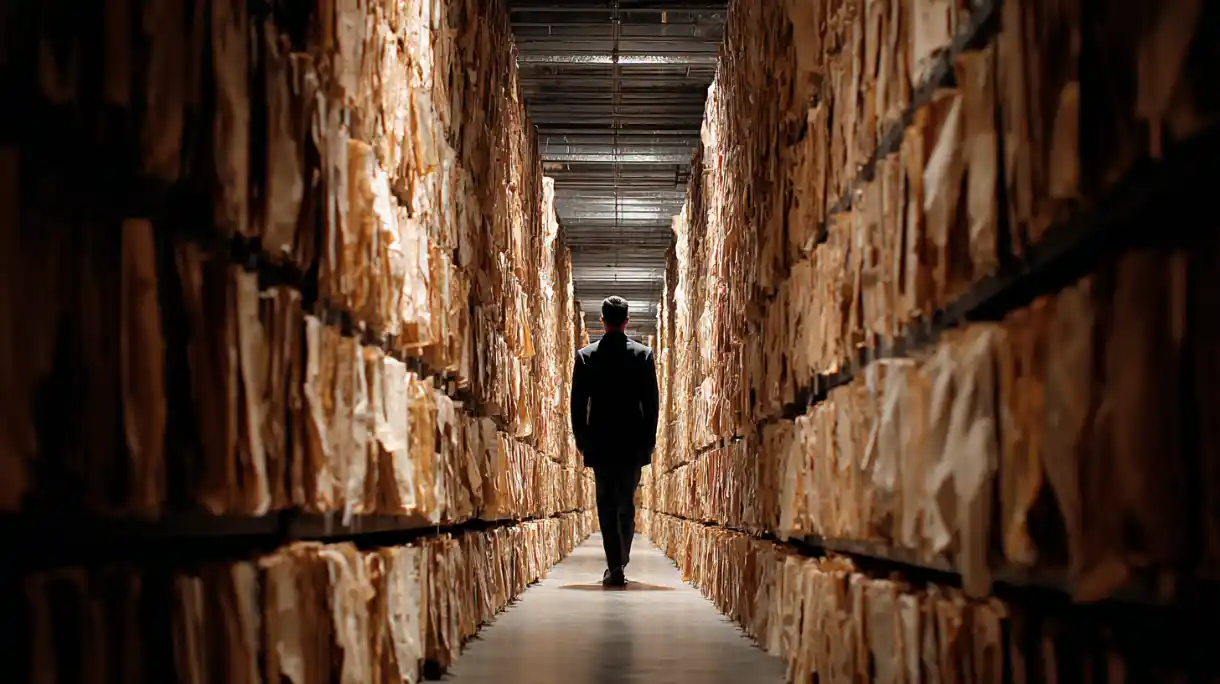
In October, a Reddit user known as u/nicko170 transformed a chaotic trove of more than 8,000 Epstein-related documents into a searchable, AI-driven database using open-source models and optical character recognition.
The project, dubbed ‘Epstein Archive,’ allowed users to query names, locations, dates, and organizations across thousands of previously unreadable files pulled from a disorganized congressional Google Drive dump. That effort now looks prescient.
DOJ Releases Files, Then Removes Some
On December 20, the Justice Department began releasing its initial batch of Epstein records under the Epstein Files Transparency Act, a law requiring disclosure of federal materials related to the case.
Ad
The release included thousands of photos, redacted contact lists, flight logs from the Ghislaine Maxwell prosecution, and Bureau of Prisons surveillance footage from the night of Epstein’s death.
Within 24 hours, however, at least 15 files disappeared from the DOJ’s website. CBS News confirmed the removals after comparing downloaded copies with what remained publicly available.
Some of the missing materials included images of Epstein’s residences and framed photographs of prominent figures. The DOJ later restored at least one image, citing an “abundance of caution” while reviewing potential victim identification.

A 1996 Warning Comes Into Focus
Among the most consequential disclosures was confirmation that the FBI received a detailed complaint about Epstein in 1996, decades before his eventual federal arrest.
The newly released handwritten record mirrors allegations long made by survivor Maria Farmer, who reported that Epstein had stolen and potentially sold photographs of her underage sisters and threatened retaliation if she spoke out.
Farmer called the document’s release vindicating but painful, noting that others were harmed because authorities failed to act. She is currently suing the federal government for negligence.
Redactions, Gaps, and the Limits of Transparency
Despite tens of thousands of pages being released, major gaps remain. More than 550 pages are fully blacked out, including entire grand jury files and international Justice Department records examining charging decisions.
FBI interviews with survivors and internal prosecutorial memos (among the most anticipated materials) are still missing.
The creator of the AI archive summed up the latest releases’ agreement with the AI-based archive quite bluntly, calling them “pretty shitty” amid citing heavy redactions and the need to reprocess the new files with improved OCR tools once time allows.
Together, the DOJ’s rolling disclosures and the grassroots AI archive underscore a growing tension: unprecedented access to data, paired with enduring questions about what remains hidden, and why.
More Must-Reads:
How do you rate this article?
Subscribe to our YouTube channel for crypto market insights and educational videos.






Join our Socials
Briefly, clearly and without noise – get the most important crypto news and market insights first.
Most Read Today
1
Samsung crushes Apple with over 700 million more smartphones shipped in a decade
2Peter Schiff Warns of a U.S. Dollar Collapse Far Worse Than 2008
3Dubai Insurance Launches Crypto Wallet for Premium Payments & Claims
4XRP Whales Buy The Dip While Price Goes Nowhere
5Luxury Meets Hash Power: This $40K Watch Actually Mines Bitcoin
Latest






8
Also read
Similar stories you might like.

Industry
Google Searches for “How to Buy Gold” Explode Globally, Hitting a Two-Decade High
Rokas | 2026-01-26

Industry
Businesses now use crypto as operational capital, CoinGate data reveals a structural shift
Rokas | 2026-01-21

Bitcoin
$455 Billion in Bitcoin Exposed to Quantum Attack Risk via Address Reuse, Up 16% Since 2020
Jastra | 2026-01-20

Altcoins
Iran’s Crypto Activity Surges During Protests; Here’s Why
Ana | 2026-01-16

Industry
Stablecoin Market Share Hits an All-Time High of 10.19%
Jastra | 2026-01-14
No image

Bitcoin
Only Three Governments Increased Bitcoin Holdings in 2025 – U.S. Leads Following 130,000 BTC Seizure
Jastra | 2026-01-05

Industry
Solana Tokens Lose $157B in 2025, The Largest Dollar-Value Drop in the Chain’s History
Jastra | 2025-12-30

Artificial Intelligence
Robert Kiyosaki Warns AI Bubble May Be Bigger Than Dot-Com
Ana | 2025-12-24

Artificial Intelligence
Gemini Can Now Detect AI-Generated Files
Shedrach | 2025-12-19