








Breakthrough: Transparent biodegradable material holds boiling water, degrades in ocean
Breakthrough: Transparent biodegradable material holds boiling water, degrades in ocean
In humanity’s never-ending quest to reduce pollution, scientists have devised a biodegradable plastic replacement that is clear, shapeable, and can hold boiling water. And the best part? It disintegrates in less than a year after settling on the ocean floor.
Ad
As it happens, a team of biomaterial engineers, environmental resource specialists, and industrial design researchers affiliated with institutions across Japan has put their heads together to develop this environmentally friendly material, publishing their work in the journal Science Advances on April 9.
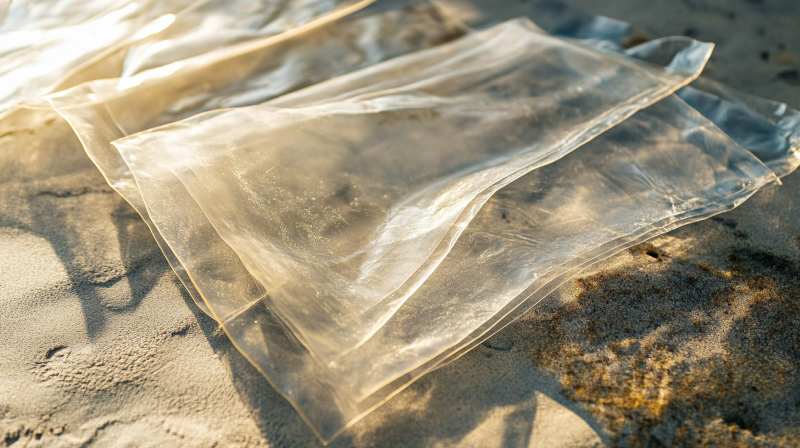
Specifically, according to the report, the material is paper-based, transparent, and biodegradable, and can hold liquids for several hours, even at higher temperatures, making it a strong alternative to plastic cups, straws, and other objects. It can also be as thin or thick as required.
Making of the transparent biodegradable scalding water-holding material
To produce the material, which the researchers described as tPB – a transparent 3D material made entirely of cellulose – they used a standard cellulose hydrogel, dried it, and treated it with an aqueous lithium bromide solution, which allowed the cellulose to harden into desired shapes.
Ad

So far, tests have demonstrated it works as well as standard drinking straws, minus the signs of collapse in paper straws after longer use. Although cups from this material leaked a little after three hours, the problem disappeared by adding a plant-based resin coating.
In terms of biodegradability in a marine environment, tPB takes less than 12 months to degrade completely in the deepest parts of the ocean, where cold temperatures would otherwise hinder materials’ degradation. As for recyclability, it is simple, but the material becomes less transparent.

Meanwhile, until tPB becomes commonplace in our everyday lives, there are ways to reduce your exposure to microplastics, including filtering your tap water, minimizing single-use plastics, reducing shellfish consumption, regularly dusting and vacuuming, avoiding plastic tea bags, choosing natural fabrics, and watching the food packaging.
How do you rate this article?
Subscribe to our YouTube channel for crypto market insights and educational videos.






Join our Socials
Briefly, clearly and without noise – get the most important crypto news and market insights first.
Most Read Today
1
Samsung crushes Apple with over 700 million more smartphones shipped in a decade
2Peter Schiff Warns of a U.S. Dollar Collapse Far Worse Than 2008
3Dubai Insurance Launches Crypto Wallet for Premium Payments & Claims
4XRP Whales Buy The Dip While Price Goes Nowhere
5Luxury Meets Hash Power: This $40K Watch Actually Mines Bitcoin
Latest




8
Also read
Similar stories you might like.
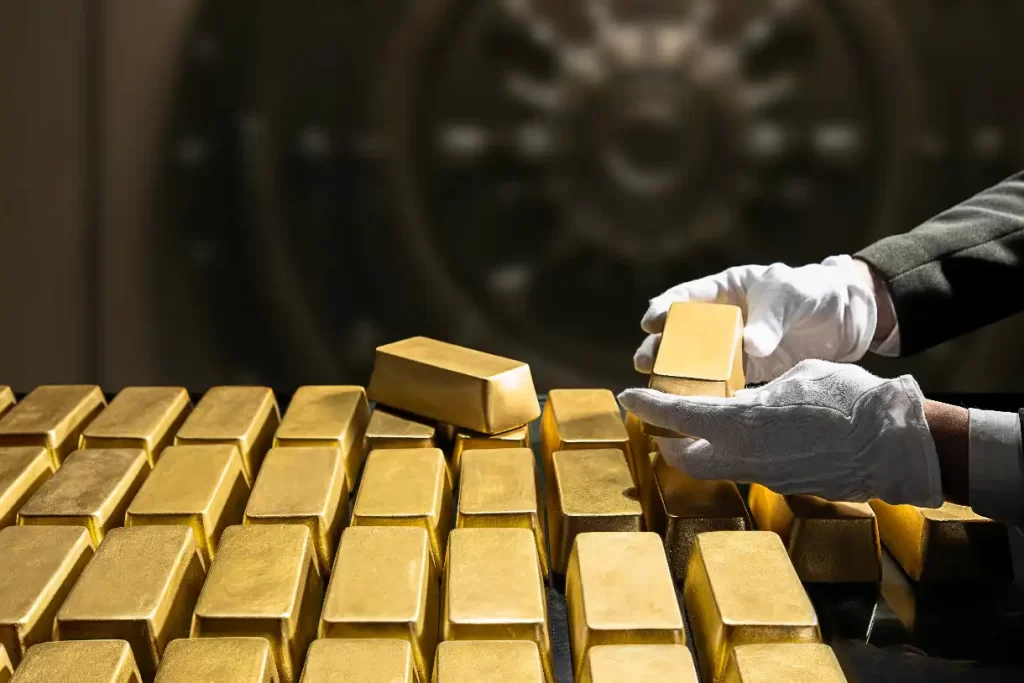
Industry
Google Searches for “How to Buy Gold” Explode Globally, Hitting a Two-Decade High
Rokas | 2026-01-26
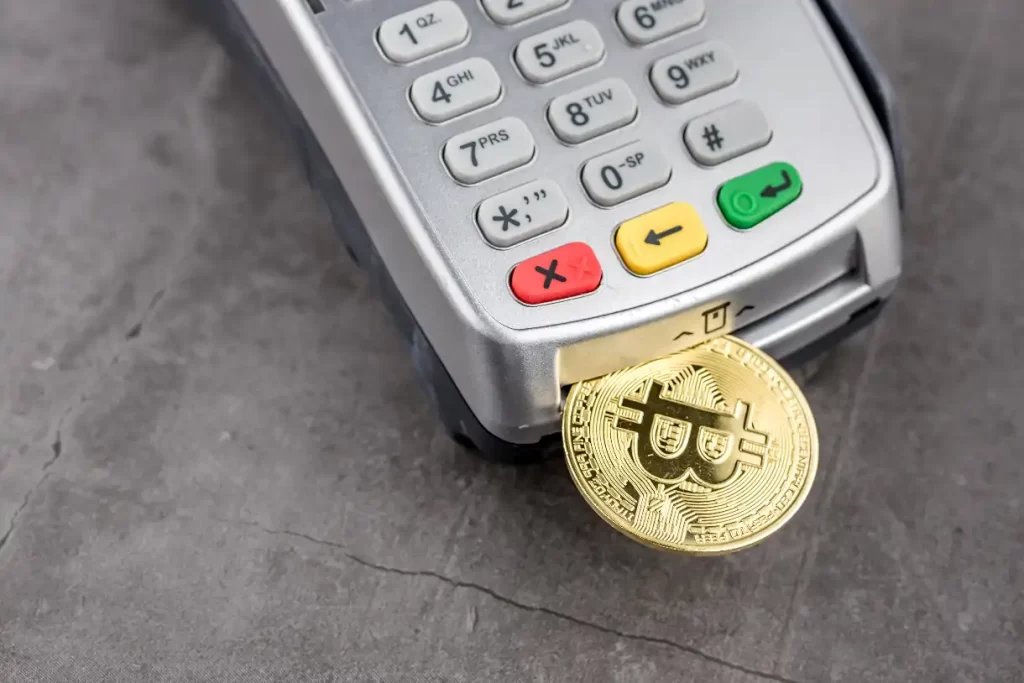
Industry
Businesses now use crypto as operational capital, CoinGate data reveals a structural shift
Rokas | 2026-01-21
Bitcoin
$455 Billion in Bitcoin Exposed to Quantum Attack Risk via Address Reuse, Up 16% Since 2020
Jastra | 2026-01-20
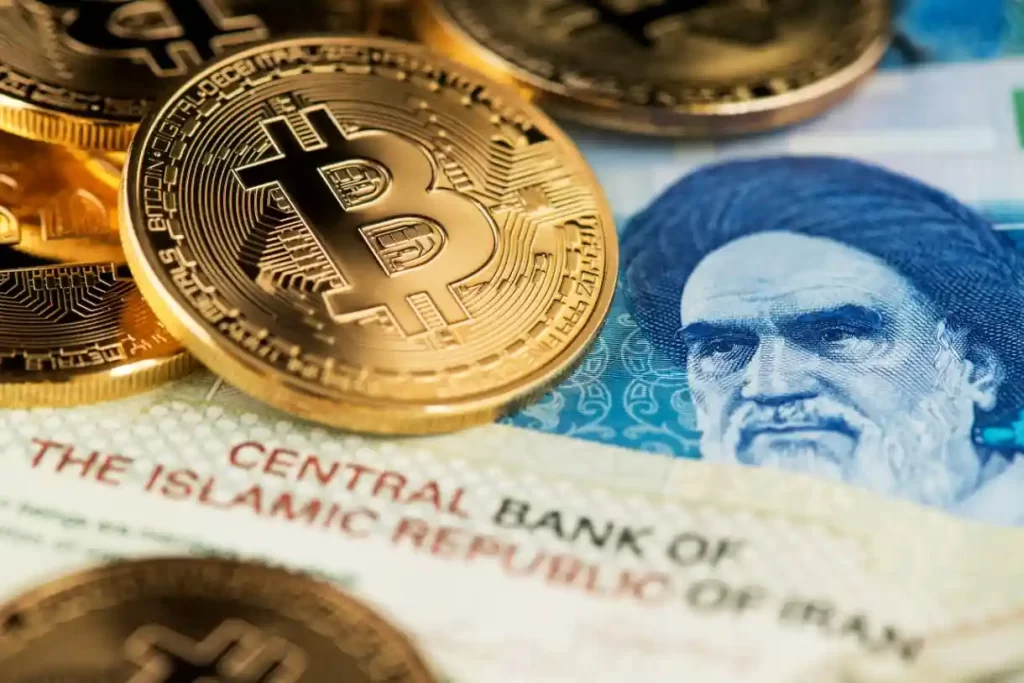
Altcoins
Iran’s Crypto Activity Surges During Protests; Here’s Why
Ana | 2026-01-16
Industry
Stablecoin Market Share Hits an All-Time High of 10.19%
Jastra | 2026-01-14
No image
Bitcoin
Only Three Governments Increased Bitcoin Holdings in 2025 – U.S. Leads Following 130,000 BTC Seizure
Jastra | 2026-01-05
Industry
Solana Tokens Lose $157B in 2025, The Largest Dollar-Value Drop in the Chain’s History
Jastra | 2025-12-30
Artificial Intelligence
New Epstein Disclosures Collide With an AI Project Built Months Earlier
Ana | 2025-12-22

Science
Scientists Reconstruct Skull of 1.6-Million-Year-Old Ethiopian Homo Erectus
Shedrach | 2025-12-19