














An airplane in landing
Boeing Leverages NASA’s Tech to Improve Flight Trajectory Prediction
In Brief
- • NASA and Boeing are testing a real-time data communication system for flight trajectory prediction.
- • The system aims to enhance passenger convenience and airline performance.
- • The collaboration is part of Boeing’s ecoDemonstrator Explorer program with NASA and other partners.
The U.S.’s space agency NASA has explored many aspects of aviation and is now focusing on civil space. The agency is working with Boeing on an advanced system that improves flight trajectory prediction for more precise flying.
Ad
NASA announced in a press release on 11 December that it has been working with Boeing to conduct real-time tests on an advanced system that improves both flight convenience for passengers and economic efficiency for airliners.
Boeing flew a United Airlines 737 in October, testing a data communication system designed to improve information flow between the flight deck, air traffic control, and airline operation centers with domestic flights based in Houston, and flights over the Atlantic to Edinburgh and Scotland.
NASA Enhancing Convenience and Efficiency for Flights
Aircrafts often battle with precision in timing for landing, leading to a seeming back and forth delay in the landing despite seeming closeness to the destination.
Ad
This is a phenomenon caused by issues with trajectory prediction which causes the plane to change its course to avoid weather or turbulence, thus throwing off its predicted arrival time. This causes a lot of inconveniences for passengers especially if there are delays, and also reduces efficiency for the aviation companies.
NASA has studied the issue for years and is now working with Boeing to test an advanced system that shares trajectory data between an aircraft and its support systems. The test is a part of Boeing’s ecoDemonstrator Explorer program which has NASA as part of its flight partners this year.
The agency developed an oceanic trajectory prediction service, and the collaboration allows it to get a more accurate look at what’s required to reduce gaps in data sharing. After the test, Boeing and the ecoDemonstrator collaborators intend to put the data communication system in operational service as soon as possible.
NASA’s Adventures in Aviation Technology
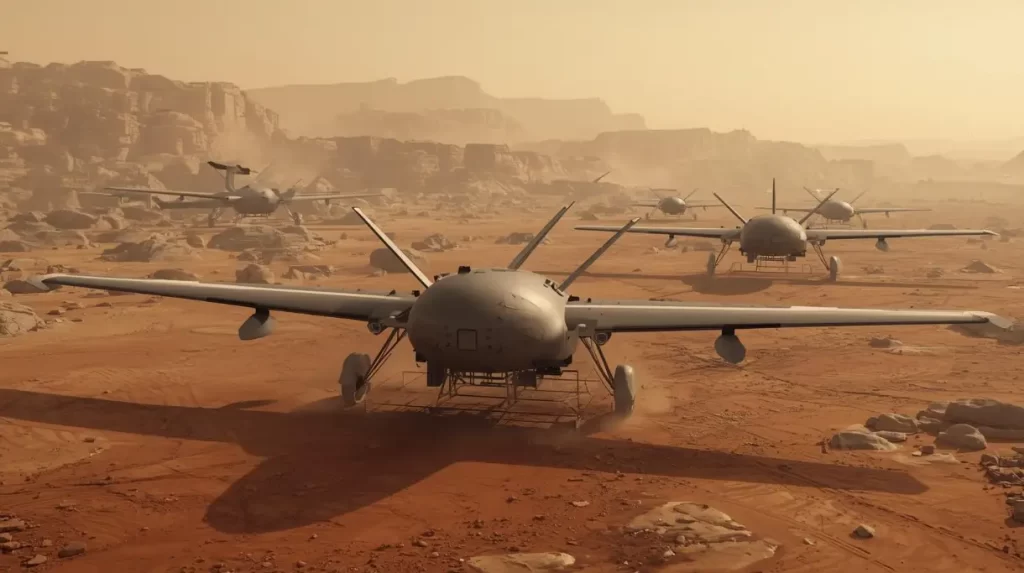
NASA has recently been exploring some aspects of aviation, both for civil flying and for space exploration. The agency has started testing special drones for exploring Mars in upcoming expeditions. It has also worked with the war department in the U.S. to start flying autonomous cargo drones.
However, the partnership with Boeing to test the data sharing system is one of the most significant so far when it comes to civil aviation research. It is expected that the final system will greatly improve aviation in general.
More Must-Reads:
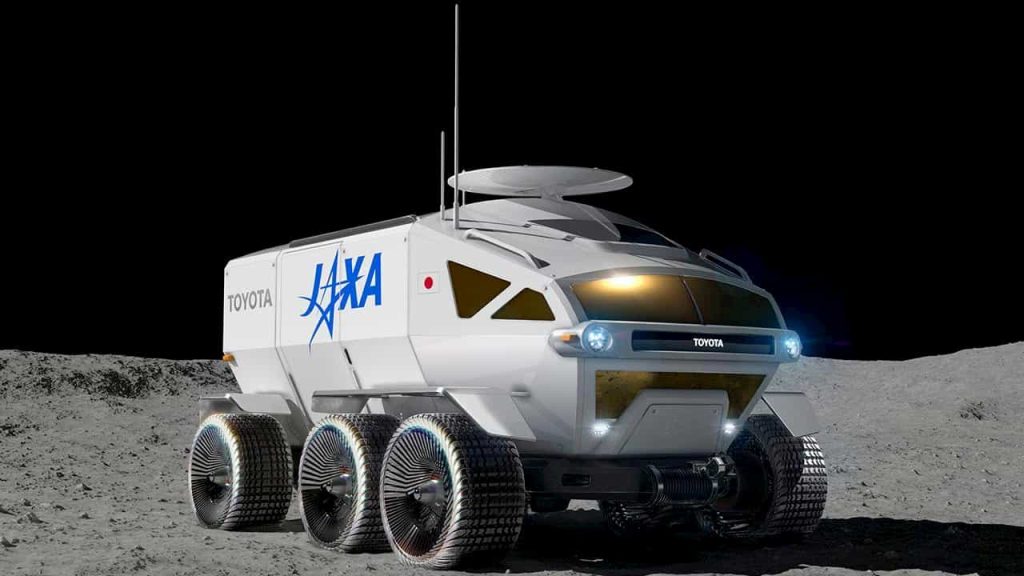
NASA tests Toyota-built moon exploration vehicle known as “Lunar Cruiser”
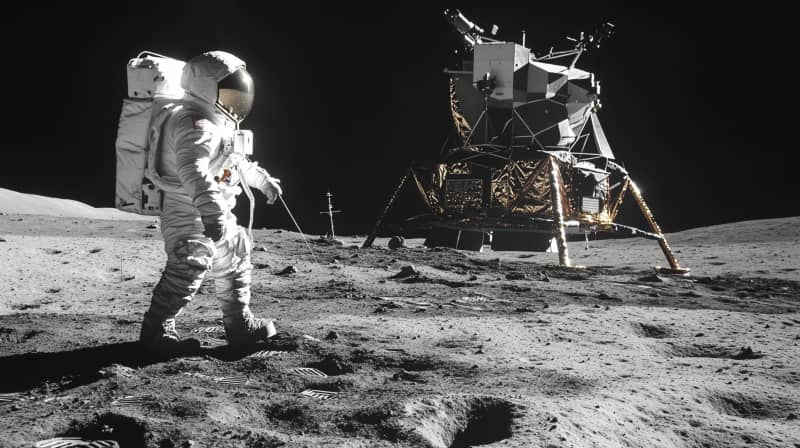
NASA cracks the code: GPS now works on the Moon
How do you rate this article?
Subscribe to our YouTube channel for crypto market insights and educational videos.






Join our Socials
Briefly, clearly and without noise – get the most important crypto news and market insights first.

Most Read Today
1
Peter Schiff Warns of a U.S. Dollar Collapse Far Worse Than 2008
2Dubai Insurance Launches Crypto Wallet for Premium Payments & Claims
3XRP Whales Buy The Dip While Price Goes Nowhere
4Luxury Meets Hash Power: This $40K Watch Actually Mines Bitcoin
5Samsung crushes Apple with over 700 million more smartphones shipped in a decade
Latest





Most Read Today
MOST ENGAGING
8
Also read
Similar stories you might like.
Business &Amp; Technology
NASA Tests Special Drones for Martian Expeditions
Shedrach | 2025-12-04

Science
3I/ATLAS Leaks Nickel Gas Far From the Sun – NASA Can’t Explain It
Ana | 2025-11-19

Military
NASA and War Department set to put autonomous cargo drones in the air
Shedrach | 2025-09-12

Research
Trump’s push for humans on Mars sparks debate among scientists
Ana | 2025-06-05
Automotive
NASA tests Toyota-built moon exploration vehicle known as “Lunar Cruiser”
Shedrach | 2025-05-13

Research
Do we stand a chance against a city-killer asteroid? Experts weigh in
Ana | 2025-03-28
Computer &Amp; It
How to write a GPS receiver from scratch
Ana | 2025-03-19

Business &Amp; Technology
It’s official: Nokia delivers the first cellular network on the Moon
Ana | 2025-03-12

Research
NASA’s Mars plans blurred by mysterious eye syndrome
Ana | 2025-03-07
Research
NASA cracks the code: GPS now works on the Moon
Ana | 2025-03-05