













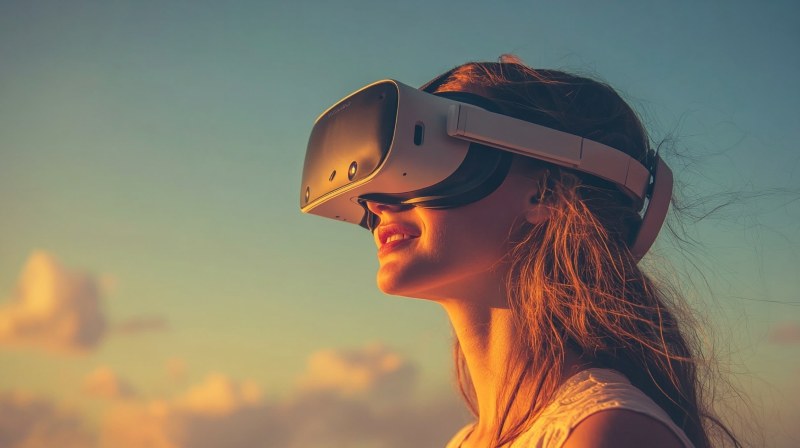
New study shows VR works fast for people with psychosis
With psychosis remaining one of the largest mental health problems around the world, virtual reality (VR) could help and has already demonstrated success in treating it surprisingly efficiently and quickly, as a new study has shown.
Ad
As it happens, VR-based treatment has demonstrated faster efficiency than the current treatment with cognitive behavioral therapy and works at least equally well as the more traditional option for paranoid ideas in patients with psychotic disorders, according to a report by Medical Xpress on July 9.
Using VR to deal with psychosis
Indeed, research conducted by the University Medical Center Groningen (UMCG) psychiatrist Wim Veling, published in the journal Psychological Medicine, has compared the effect of VR-based treatment with current standard therapy, and the results were promising. As Veling said:
“With virtual reality, we can better focus on reducing avoidance behavior and relearning safety. And that is crucial for the effect of the treatment. With virtual reality, we can better expose patients to their paranoid fears in a controlled manner.”
Specifically, VR therapy allows patients to expose themselves to troubling scenarios like standing in line at the supermarket checkout or taking a bus ride under controlled circumstances, and safely let go of their safety behaviors, test paranoid beliefs, and learn new behaviors.
Ad
As such, it helps them reduce extreme suspicion and anxiety often present in psychosis. And the best part is, medical professionals could tailor the exercises precisely to the participant’s needs and goals, as well as repeat them. Now, Veling is trying to implement VR treatment into mental health care.
Elsewhere, VR could help substance addiction patients receive effective therapy by providing them with a realistic digital representation of themselves that speaks in their own voice about having fulfilled personal goals and ambitions, be it a stable job or a family, versus another version of themselves that didn’t stay in recovery.
On top of that, VR therapy, ranging from simple screen-based gaming to immersive, head-mounted devices, can assist stroke victims to regain their arm movement, when working alongside standard therapy, as data from 190 trials involving 7,188 participants has demonstrated.
How do you rate this article?
Subscribe to our YouTube channel for crypto market insights and educational videos.






Join our Socials
Briefly, clearly and without noise – get the most important crypto news and market insights first.
Most Read Today
1
Peter Schiff Warns of a U.S. Dollar Collapse Far Worse Than 2008
2Samsung crushes Apple with over 700 million more smartphones shipped in a decade
3Dubai Insurance Launches Crypto Wallet for Premium Payments & Claims
4XRP Whales Buy The Dip While Price Goes Nowhere
5Luxury Meets Hash Power: This $40K Watch Actually Mines Bitcoin
Latest






8
Also read
Similar stories you might like.

Industry
Google Searches for “How to Buy Gold” Explode Globally, Hitting a Two-Decade High
Rokas | 2026-01-26

Industry
Businesses now use crypto as operational capital, CoinGate data reveals a structural shift
Rokas | 2026-01-21

Bitcoin
$455 Billion in Bitcoin Exposed to Quantum Attack Risk via Address Reuse, Up 16% Since 2020
Jastra | 2026-01-20

Altcoins
Iran’s Crypto Activity Surges During Protests; Here’s Why
Ana | 2026-01-16

Industry
Stablecoin Market Share Hits an All-Time High of 10.19%
Jastra | 2026-01-14
No image

Bitcoin
Only Three Governments Increased Bitcoin Holdings in 2025 – U.S. Leads Following 130,000 BTC Seizure
Jastra | 2026-01-05

Industry
Solana Tokens Lose $157B in 2025, The Largest Dollar-Value Drop in the Chain’s History
Jastra | 2025-12-30

Artificial Intelligence
New Epstein Disclosures Collide With an AI Project Built Months Earlier
Ana | 2025-12-22

Science
Scientists Reconstruct Skull of 1.6-Million-Year-Old Ethiopian Homo Erectus
Shedrach | 2025-12-19