




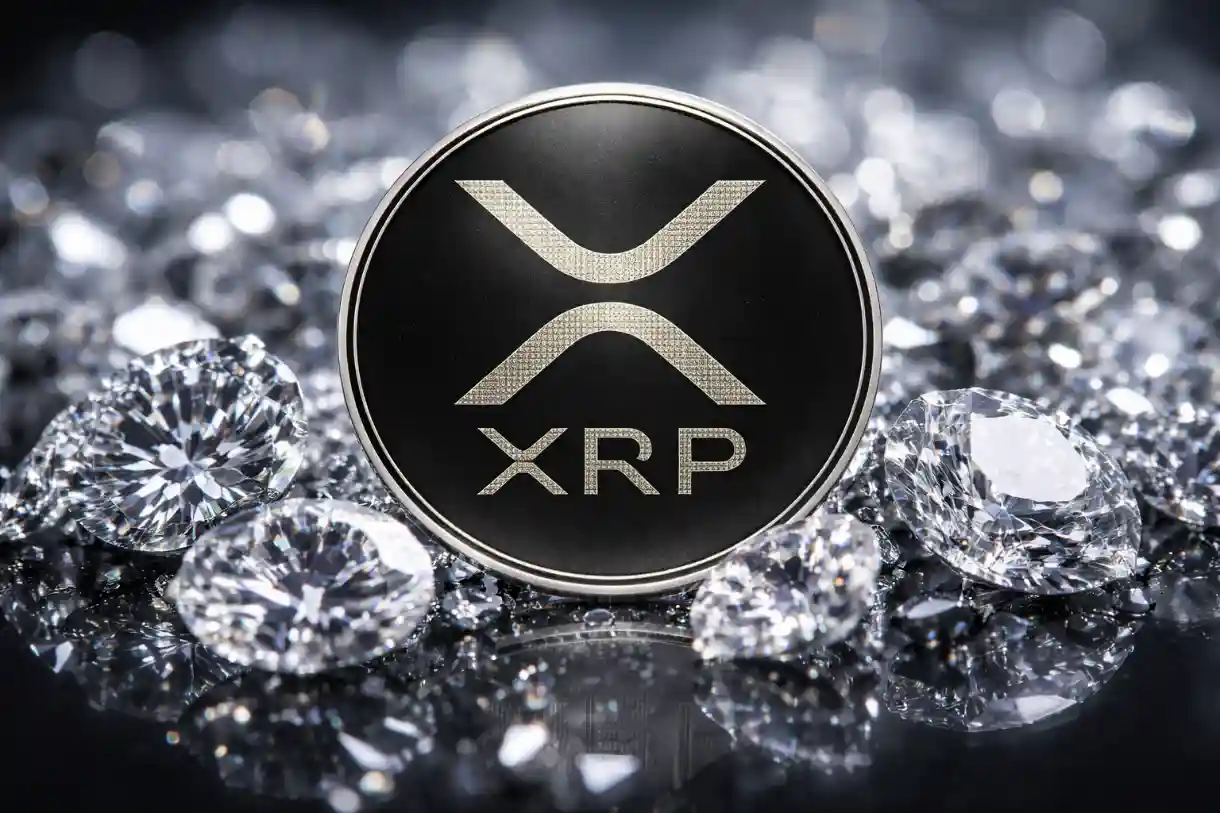
XRP sits at the centre of real-world commodity tokenization by tokenizing $280M worth of Diamonds.
Ripple Tokenizes $280 Million of this Physical Commodity
In Brief
- • Ripple-aligned partners are using the XRP ledger to tokenize high-value physical assets at scale.
- • The structure combines on-chain issuance with regulated, real-world custody.
- • It signals growing institutional confidence in blockchain-based asset infrastructure.
Ad
Ripple has expanded its real-world asset strategy by moving more than $280 million worth of a high-demand physical commodity onto the XRP Ledger. Marking one of the largest tokenization efforts to date.
According to details shared by Ripple-aligned partners, each token minted on the XRP Ledger represents ownership of a real, physical diamond held in secure vaults in the United Arab Emirates.
Moreover, the initiative uses blockchain-based issuance and settlement. Keeping custody of the underlying assets fully regulated and off-chain.
Ripple’s infrastructure is being used to manage issuance, transfers, and lifecycle events, while custody services secure the physical inventory.
Tokenized Diamonds Show XRP’s Role in Real-World Assets
The move highlights Ripple’s growing focus on real-world asset tokenization. A sector that’s largely viewed as one of blockchain’s most viable institutional use cases.
Indeed, by placing commodities like diamonds on-chain, the XRP Ledger positions itself as a settlement layer capable of handling tokens backed by real assets.
Furthermore, tokenization allows these assets to be transferred, settled, or potentially fractionalized with greater efficiency than traditional systems.
Unlike NFTs, each diamond-backed token represents a verified physical asset. Therefore, the initiative bridges traditional commodity markets with blockchain-based infrastructure.
The model reduces settlement issues while improving transparency and regulation across the asset’s lifecycle.
This Benefits Institutions and Global Markets
Diamonds are traditionally illiquid, opaque, and costly to transfer across borders. Therefore, tokenization brings a new framework where ownership can change hands instantly.
For institutions, this opens the door to digitally native commodities. Integrating assets into broader financial workflows without being physically moved.
On the other hand, for global markets, it shows how blockchain can modernize legacy asset classes without affecting custody or compliance standards.
Ripple’s latest solution reinforces that blockchain adoption is gradually being driven by infrastructure-level use cases, not retail speculation.
As more real-world assets move on-chain, platforms that balance speed, security, and regulation will likely see accelerating institutional interest.
More Must-Reads:
How do you rate this article?
Subscribe to our YouTube channel for crypto market insights and educational videos.






Join our Socials
Briefly, clearly and without noise – get the most important crypto news and market insights first.




8
Also read
Similar stories you might like.
Industry
Trump Backs Bitcoin, Stablecoins In New Pro-Crypto Push
Ana | 2026-03-30
Industry
Canada Proposes Ban on Crypto Political Donations
Ana | 2026-03-30
Altcoins
Ethereum Foundation Makes Record ETH Staking Move
Ana | 2026-03-30
Bitcoin
Bitcoin Miners Turn to AI as Profits Collapse
Ana | 2026-03-30
Bitcoin
Mystery Deepens as $400M ‘Lost’ Bitcoin Suddenly Moves
Rokas | 2026-03-30
Altcoins
Kiyosaki Warns of Inflation Crisis, Lists 6 Safest Investments for 2026
Rokas | 2026-03-30
Altcoins
TRON Moves Toward Institutions: How Anchorage Support Could Influence TRX Price
Azeez | 2026-03-29
Altcoins
Gold Enters DeFi: Tether’s XAUt Expansion to BNB Chain Could Shift Market Dynamics
Azeez | 2026-03-29
Altcoins
Sui Approaches 800K Users as Token Unlock Nears — Can Price Stay Resilient?
Azeez | 2026-03-29
Altcoins
Could SpaceX’s IPO Be the Catalyst That Sends Dogecoin Above $0.10?
Azeez | 2026-03-29