








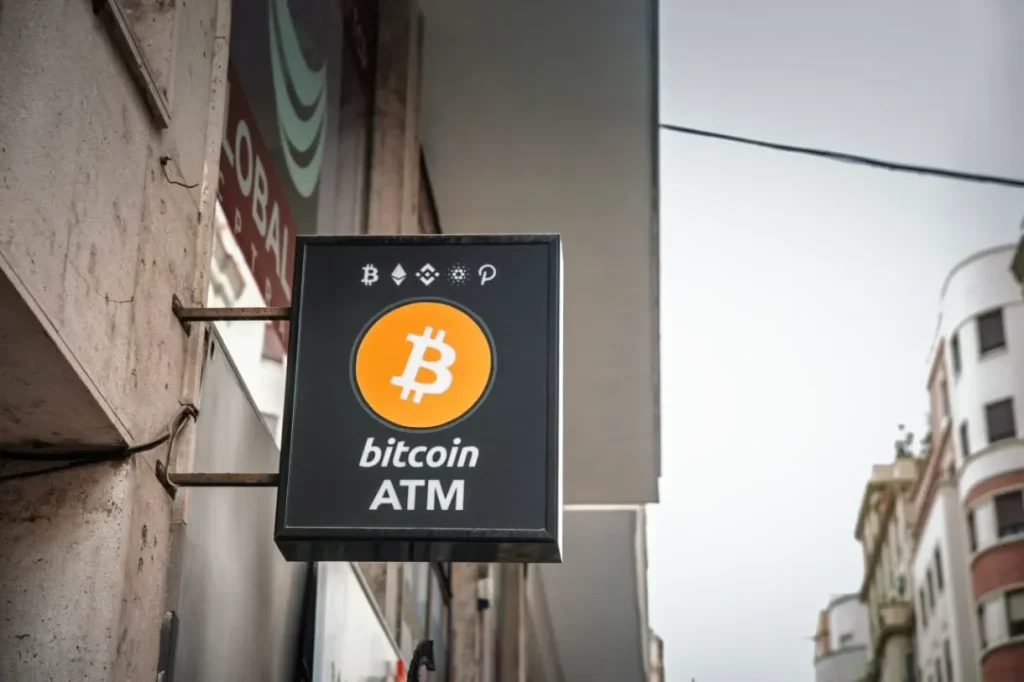
Bitcoin ATMs emerge as a growing weak point in consumer fraud.
US Bitcoin ATM Scams Getting Out of Hand: Victim’s Warning
In Brief
- • Bitcoin ATM scams are surging in the U.S., targeting victims through fear and urgency.
- • Scammers exploit irreversible crypto transfers to steal large sums quickly.
- • Maine’s crackdown highlights growing regulatory pressure to stop the fraud.

Bitcoin (BTC) ATM scams are no longer a niche crime and have become one of the fastest-growing fraud tactics in the U.S., with victims losing tens of thousands of dollars after being pressured into feeding cash into cryptocurrency kiosks they barely understand.
Now, one state’s crackdown is exposing how these scams work and why almost anyone can fall for them, which opens the question of whether stricter rules would stop these scams or just push them elsewhere.
How Bitcoin ATM Scams Actually Work
The pattern is disturbingly consistent and involves victims receiving a sudden phone call from someone claiming to be a bank fraud agent, law enforcement officer, government official, or similar. The message is urgent, saying their money is “at risk,” and immediate action is required.
In Maine, Mike Drake says the caller stayed on the line for hours, controlling every step. He was instructed to withdraw cash, drive to a convenience store, and deposit bill after bill into a Bitcoin ATM. By the time he realized something was wrong, more than $20,000 was gone.
As Drake said:
“I think to myself: ‘I’m not exactly a stupid guy. How did I fall for this? (…) It was very controlling, and he was constantly talking. And this went on for hours. (…) Once I got there, he directed me inside and gave me instructions on how to set up an account on the Bitcoin machine. (…) I just wasn’t grasping how much money I was putting into this machine.”
These machines allow funds to be sent instantly via QR codes to digital wallets controlled by scammers. Once the transaction clears, there’s no reversing it. That speed and anonymity are exactly what make Bitcoin ATMs so attractive to criminals.
Federal data shows losses from Bitcoin ARM scams have exploded from about $12 million in 2020 to over $330 million through late 2024, with both seniors and younger adults increasingly affected.
Maine’s Crackdown And Why It Matters Nationally
Maine is now testing one of the toughest responses in the country. New rules cap daily transactions at $1,000, limit fees, and impose stronger identity checks before transfers go through. Refunds are also mandated for verified scam victims.
The impact was immediate. Several operators pulled their machines from the state, including Bitcoin Depot, which reached a nearly $2 million settlement tied to refunds.
Regulators believe these safeguards will sharply reduce abuse. The bigger question is whether other states follow or whether scammers simply shift tactics again.
For victims like Drake, the goal is simpler: stopping the next call before it ruins someone else’s life savings.
More Must-Reads:
How do you rate this article?
Subscribe to our YouTube channel for crypto market insights and educational videos.






Join our Socials
Briefly, clearly and without noise – get the most important crypto news and market insights first.

Most Read Today
1
Whales Bought 10 Million Cardano (ADA) in 3 Days — Smart Money Positioning Early?
2Exclusive: Dr. Persichetti Challenges Key Claims in Cointelegraph’s Quantum Crypto Analysis
3Dogecoin Awakens After Seventy-Three Days as SpaceX Eyes June IPO
4Robert Kiyosaki Predicts 2026 Crash, Says Assets Will Go Cheap
5The 3 Hidden Catalysts Deciding the Bitcoin vs. Gold Winner This Month
Latest




8
Also read
Similar stories you might like.
Bitcoin
America’s Debt Now Exceeds GDP — Is This the Silent Catalyst Bitcoin Was Waiting For?
Azeez | 2026-05-03

Altcoins
Beyond Price: Accenture’s Hedera Move Could Redefine Enterprise Crypto in 2026
Azeez | 2026-05-03
Altcoins
Ripple Re-Locks 700M XRP Amid CLARITY Act Progress — Preparing for a Regulated Future?
Azeez | 2026-05-03
Altcoins
Whale Watch: Smart Money Is Silently Accumulating These Altcoins
Azeez | 2026-05-02
Altcoins
Bitcoin Cash (BCH) May 15 Upgrade: Can CashVM Actually Steal Ethereum’s DeFi Crown?
Azeez | 2026-05-02

Altcoins
Zcash (ZEC) Soars as Privacy Flywheel Locks In On-Chain Growth
Azeez | 2026-05-02

Altcoins
Hyperliquid vs. Solana: Which Layer-1 Will Dominate the May Derivatives Surge?
Azeez | 2026-05-02

Bitcoin
The 3 Hidden Catalysts Deciding the Bitcoin vs. Gold Winner This Month
Azeez | 2026-05-01

Altcoins
Dogecoin Awakens After Seventy-Three Days as SpaceX Eyes June IPO
Azeez | 2026-05-01
Altcoins
Whales Bought 10 Million Cardano (ADA) in 3 Days — Smart Money Positioning Early?
Azeez | 2026-05-01