










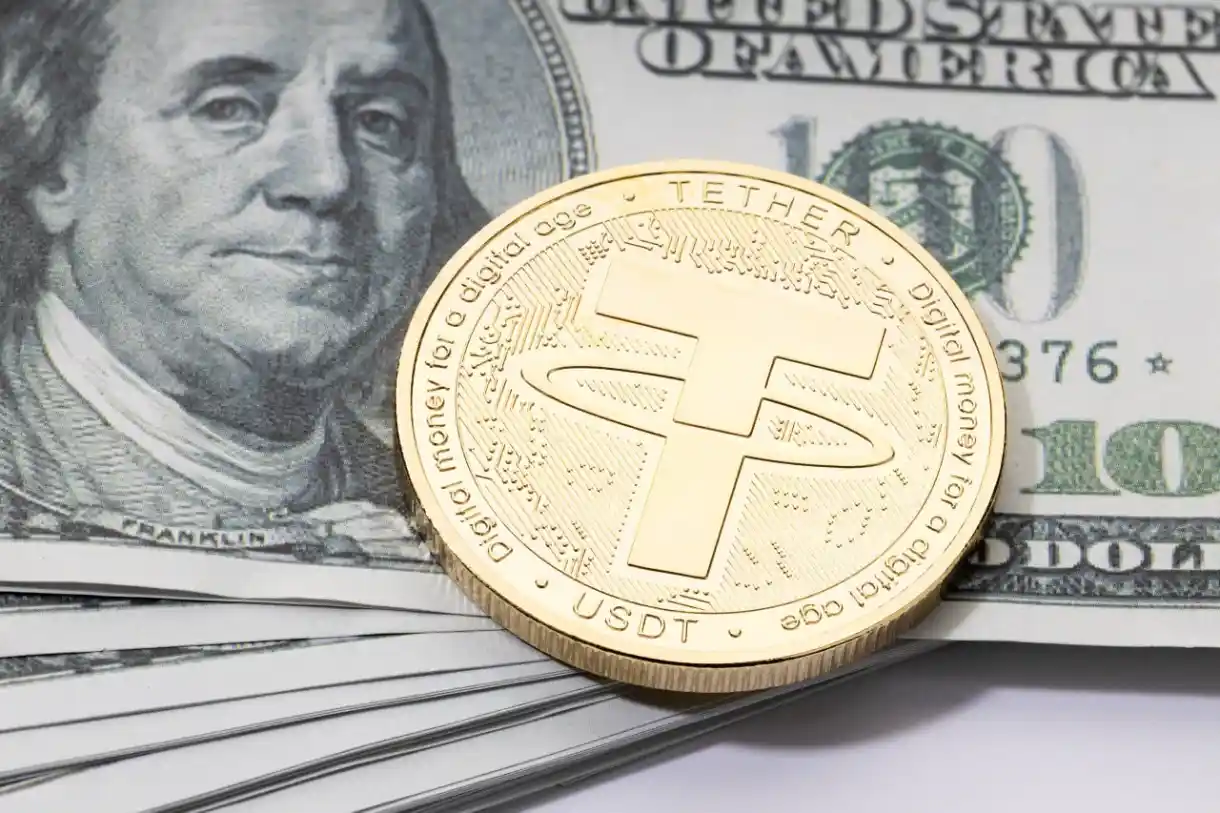
USDT’s expanding footprint reflects growing reliance on on-chain dollars.
Tether Signals Global Expansion as USDT Demand Accelerates
In Brief
- • Tether is expanding beyond crypto into multiple global sectors.
- • The move is driven by strong USDT demand and profits.
- • Its growing influence is drawing scrutiny.
Ad
Flush with tens of billions in annual profits from its $185 billion stablecoin, Tether (USDT) is no longer content with being the cryptocurrency industry’s financial plumbing, rapidly expanding outside crypto.
Indeed, according to an FT report on February 8, Tether is planning a global move into areas including artificial intelligence (AI), energy, media, agriculture, and venture capital, raising an important question: what happens when the world’s largest stablecoin issuer becomes a global conglomerate?
How Tether Is Expanding Beyond USDT
Once run by a small, secretive group, Tether now oversees around 140 investments, ranging from a South American agricultural producer to a stake in Italian football club Juventus. Headcount has grown to roughly 300 employees, with plans to add another 150, mostly engineers.
At a recent conference in El Salvador, CEO Paolo Ardoino described Tether’s ambition to build a “freedom tech stack” spanning finance, intelligence, communications, and energy. He argued that decentralized, peer-to-peer tools are needed to counter Big Tech dominance, warning:
“If we build everything with centralized technology, freedom will fall.”
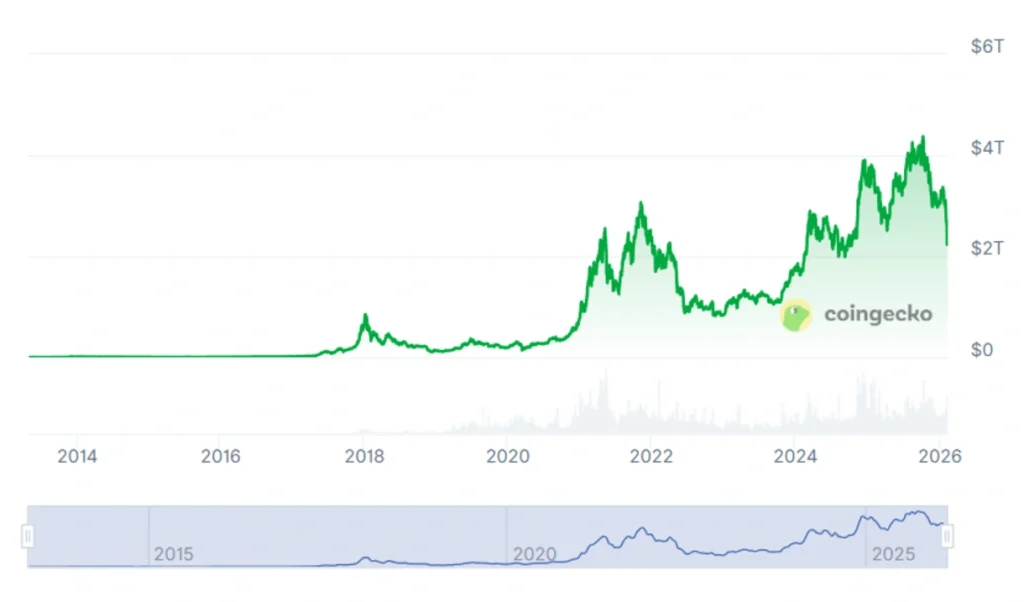
The irony, critics note, is that Tether remains the largest centralized actor in a $2.3 trillion crypto market.
Why This Strategy Raises Questions
Observers are divided on whether Tether’s expansion reflects a coherent vision or ideology-driven empire-building. Austin Campbell of Zero Knowledge Consulting summed up the skepticism:
“How much of this is marketing and how much is held belief? (…) How do you square ‘the world is ending’ with ‘we’re reinventing tech, and everything is going to be great’?”
The company is also diversifying as competition intensifies. Rivals like Circle, now US-listed and headquartered in New York, are positioning themselves as more transparent and regulator-friendly.
Meanwhile, scrutiny hasn’t faded. US lawmakers and regulators continue to question Tether’s compliance practices, reserve composition, and limited cooperation with law enforcement. Though Tether publishes quarterly attestations, it still doesn’t provide a full audit, a lingering concern for critics.
Yet Tether’s profits give it room to manoeuvre. Its growing stockpile of US Treasuries, Bitcoin (BTC), gold, and land has turned it into a powerful bridge between traditional finance and crypto, and something resembling a “decentralized central bank,” as one insider put it.
More Must-Reads:
How do you rate this article?
Subscribe to our YouTube channel for crypto market insights and educational videos.






Join our Socials
Briefly, clearly and without noise – get the most important crypto news and market insights first.





8
Also read
Similar stories you might like.
Industry
Trump Backs Bitcoin, Stablecoins In New Pro-Crypto Push
Ana | 2026-03-30

Industry
Canada Proposes Ban on Crypto Political Donations
Ana | 2026-03-30

Altcoins
Ethereum Foundation Makes Record ETH Staking Move
Ana | 2026-03-30

Bitcoin
Bitcoin Miners Turn to AI as Profits Collapse
Ana | 2026-03-30

Bitcoin
Mystery Deepens as $400M ‘Lost’ Bitcoin Suddenly Moves
Rokas | 2026-03-30

Altcoins
Kiyosaki Warns of Inflation Crisis, Lists 6 Safest Investments for 2026
Rokas | 2026-03-30
Altcoins
TRON Moves Toward Institutions: How Anchorage Support Could Influence TRX Price
Azeez | 2026-03-29
Altcoins
Gold Enters DeFi: Tether’s XAUt Expansion to BNB Chain Could Shift Market Dynamics
Azeez | 2026-03-29
Altcoins
Sui Approaches 800K Users as Token Unlock Nears — Can Price Stay Resilient?
Azeez | 2026-03-29

Altcoins
Could SpaceX’s IPO Be the Catalyst That Sends Dogecoin Above $0.10?
Azeez | 2026-03-29