











Bitcoin coin on payment card over U.S. dollars. Source: TechGaged / Shutterstock
Mastercard Expands Crypto Push With New Web3 Role
In Brief
- • Mastercard adds new senior crypto payments role.
- • Focus on stablecoins and fiat-crypto rails.
- • Signals ongoing Web3 expansion.
Ad
Mastercard is expanding its cryptocurrency strategy with a new senior role focused on digital asset payments. The payments giant is hiring a Director of Crypto Flows, Product Management, to advance crypto-to-fiat and Web3 transaction infrastructure. The move signals continued institutional investment in blockchain-based payment rails.
A Deeper Push Into Crypto Payments
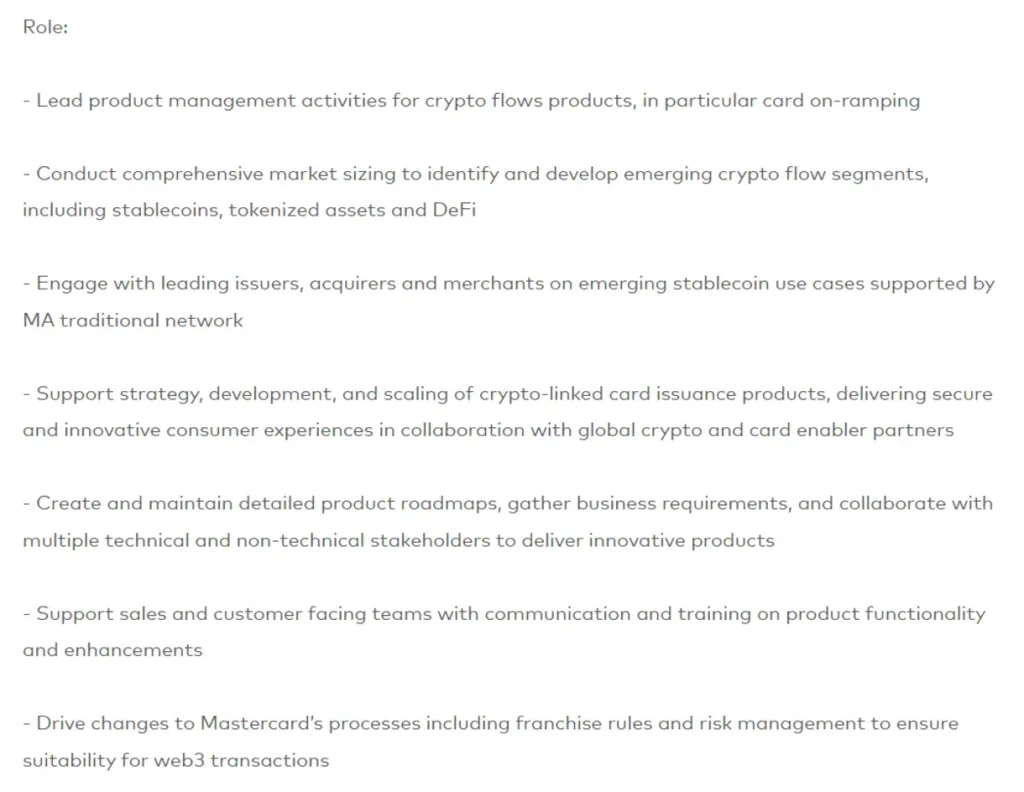
According to the job description, the role will focus on building and scaling products that bridge traditional finance and digital assets. That includes card-based crypto on-ramps, stablecoin-linked issuance, new payment flows connecting fiat and blockchain ecosystems, supporting sales and customer-facing teams, and more.

The position also involves exploring emerging areas such as stablecoins, tokenized assets, and decentralized finance (DeFi). Responsibilities include designing crypto co-branded cards, developing product roadmaps, and collaborating with issuers, merchants, and acquiring institutions.
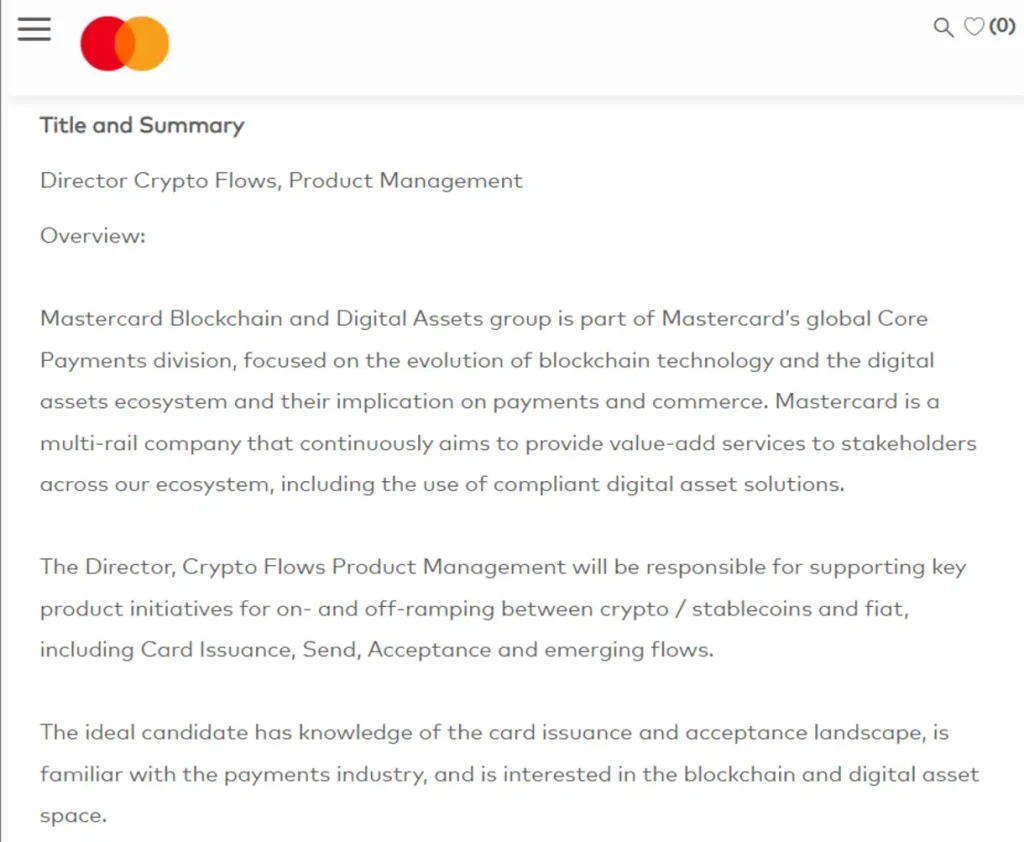
Beyond product development, the role highlights operational integration. Mastercard is looking to evolve network rules and risk frameworks to support Web3 transactions, suggesting continued work on compliance and infrastructure layers for digital asset payments.
Why This Matters For Crypto Adoption
Though Mastercard has been involved in crypto initiatives for years, new senior roles often signal internal prioritization. Hiring leadership specifically focused on crypto flows suggests the company is still investing in real-world blockchain use cases rather than stepping back from the sector.
The emphasis on stablecoins and tokenized assets aligns with broader institutional trends. Large financial firms have increasingly explored blockchain for settlement, cross-border payments, programmable money, and more, with stablecoins often acting as the entry point.
At the same time, the focus on risk frameworks underscores how traditional payment networks approach crypto differently from native Web3 firms. Integrating digital assets into global card networks requires adjustments to areas such as fraud controls, settlement logic, regulatory compliance, and so on.
Taken together, the role reflects how legacy payment giants are gradually embedding crypto capabilities into existing infrastructure. Rather than headline-grabbing launches, moves like this suggest a steady build-out behind the scenes, as major financial networks prepare for deeper integration between fiat and blockchain-based payments.
More Must-Reads:
How do you rate this article?
Subscribe to our YouTube channel for crypto market insights and educational videos.






Join our Socials
Briefly, clearly and without noise – get the most important crypto news and market insights first.
Most Read Today
1
DOGE-BTC Ratio Triggers Historic Cycle Signal; Major Shift In The Making
2Bitcoin Vs Gold Ratio Near 2022 Bear Market Levels; What Next?
3BlackRock’s Next Crypto Move Could Change Ethereum Investing Forever
4Chainlink Lawyer Joins SEC Crypto Unit: End of Regulation by Enforcement?
5Hong Kong Stablecoin Firm Moves Toward $1B U.S. Listing
Latest






8
Also read
Similar stories you might like.

Bitcoin
TD Cowen Analyst Makes Bullish Bitcoin Case: ‘Stronger, Cheaper Than Ever’
Ana | 2026-02-25
Bitcoin
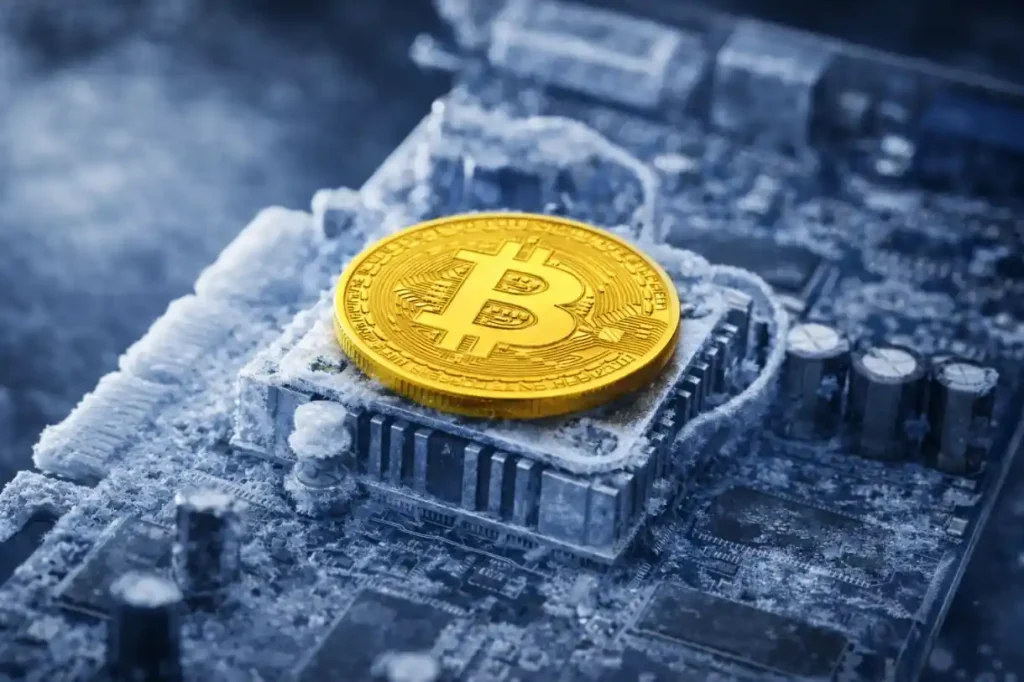
Rare Solo Bitcoin Mining Win Happens Again: $200K on $75 Equipment
Ana | 2026-02-25

Altcoins
Ripple CTO Pushes Back On Centralization Accusations
Ana | 2026-02-25
Altcoins
U.S. Midterms Could Drive Crypto Cycle, Analyst Says
Ana | 2026-02-25
Altcoins
DOGE-BTC Ratio Triggers Historic Cycle Signal; Major Shift In The Making
Ana | 2026-02-24
Altcoins
Ethereum Pattern Suggests Potential Move Toward $1K
Ana | 2026-02-24

Altcoins
Analyst Links XRP Reserve Push To Liquidity Crisis; Here’s Why
Ana | 2026-02-24
Bitcoin
Bitcoin Vs Gold Ratio Near 2022 Bear Market Levels; What Next?
Ana | 2026-02-24

Industry
Ukraine And Baltics Bust Crypto Scam Ring Targeting EU Investors
Ana | 2026-02-24

Altcoins
XRP Fear Peaks As Analyst Sees Bottom Forming
Ana | 2026-02-23