


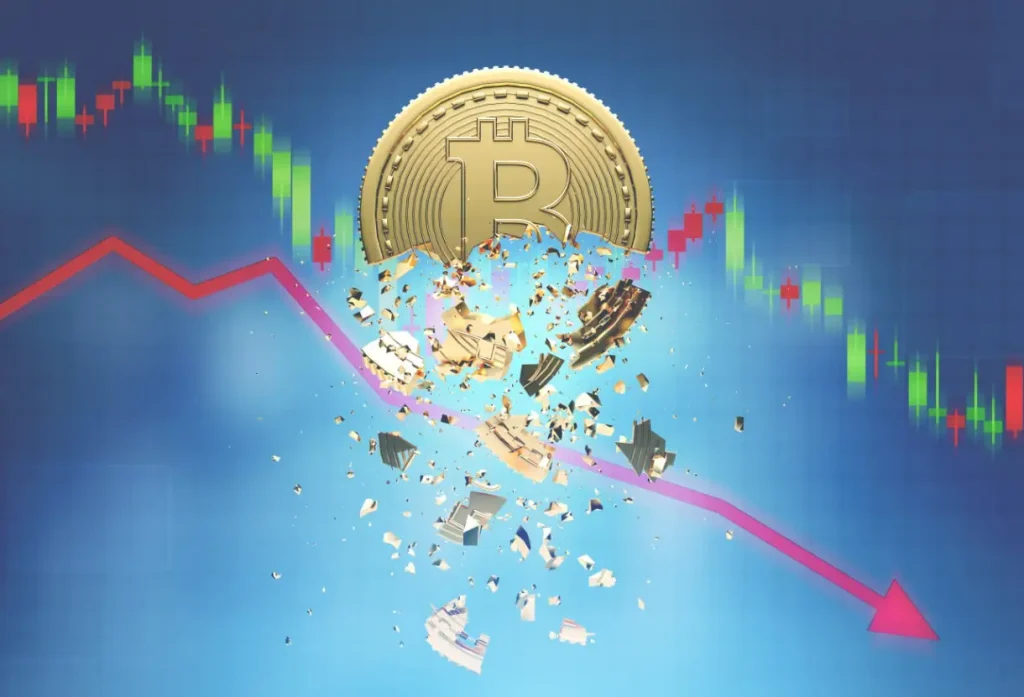






Quantum risk isn’t theoretical anymore, it’s becoming a governance pressure point. When timelines clash, patience runs out. Source: Techgaged
Institutions Are Losing Patience, and Bitcoin Developers Just Got a Warning
In Brief
- • Institutions may pressure Bitcoin developers over quantum risk readiness.
- • Developers see quantum threats as long-term, not urgent.
- • The debate exposes tension between decentralized governance and institutional risk demands.
Ad
A sharp warning just landed in the Bitcoin governance debate. Nic Carter says large institutional holders could intervene if developers ignore quantum computing risks.
His message sounds blunt. If developers “do nothing,” institutions may push to replace them. That statement reframes quantum risk from theory into governance pressure.
Carter points to growing institutional exposure. Firms like BlackRock now hold or facilitate massive Bitcoin positions.
These players manage risk for clients at scale. They do not tolerate open-ended security uncertainty. Therefore, patience could thin if the roadmap stays silent on quantum mitigation.
The concern centers on cryptography. Bitcoin relies on ECDSA signatures. A powerful quantum computer could, in theory, derive private keys from public keys.
That scenario threatens funds that reveal public keys on-chain. While no such machine exists today, institutions plan for tail risks early. Consequently, they expect visible preparation.
Carter’s warning does not accuse developers of negligence. Instead, it highlights a mismatch in timelines.
Developers prioritize evidence and consensus. Institutions prioritize forward-looking risk controls. When those timelines diverge, pressure follows.
What the Quantum Debate Really Looks Like Today
This warning lands as the quantum narrative faces scrutiny. As explained in The Bitcoin Quantum Narrative Just Faced a Reality Check, developers largely view quantum threats as distant.
They cite hardware limits and error-correction hurdles. They also note that many coins never expose public keys, which reduces attack surface.
Moreover, developers resist rushed changes. Bitcoin’s governance values caution and broad agreement. Upgrading cryptography requires coordination across wallets, miners, and users.
A premature move risks fragmentation or unintended vulnerabilities. Therefore, developers demand clear evidence before action.
Still, institutions read the same facts differently. They operate under fiduciary duty. They plan for low-probability, high-impact events.
From that lens, silence looks like complacency. Even exploratory proposals would signal seriousness. That gap fuels Carter’s warning.
Bitcoin Price Today
Why Governance Pressure Could Reshape Bitcoin
This debate reaches beyond cryptography. It touches Bitcoin’s power structure. Developers hold influence through code and review. Institutions hold influence through capital and liquidity.
If trust erodes, institutions could fund alternative clients, tooling, or forks. That outcome remains unlikely today.
However, the pressure itself matters. It pushes the community to discuss timelines, research paths, and upgrade options.
It also tests Bitcoin’s decentralized ethos against institutional scale.
Ultimately, Bitcoin faces a familiar challenge. It must balance cautious engineering with evolving risk expectations. Quantum computing may arrive slowly. Governance pressure may not.
More Must-Reads:
How do you rate this article?
Subscribe to our YouTube channel for crypto market insights and educational videos.






Join our Socials
Briefly, clearly and without noise – get the most important crypto news and market insights first.
Most Read Today
1
The Netherlands Approved a Tax That Could Force Investors to Sell
2Solana Reclaims Structure as Activity Improves
3Polymarket Launches Access to Ultra-Short Crypto Speculation
4This Major Bank Turns Bitcoin Into Bank-Grade Collateral
5Something Big Is Coming to Your X Feed, and It Involves Bitcoin
Latest






8
Also read
Similar stories you might like.
Blockchain
21Shares Quietly Upgrades Its Most Critical Infrastructure
Rokas | 2026-02-15
Altcoins
This Major Bank Turns Bitcoin Into Bank-Grade Collateral
Rokas | 2026-02-15

Altcoins
Ripple Teams Up With a Major UK Asset Manager
Patrick | 2026-02-11

Blockchain
LINK Futures Go Live on CME Group
Patrick | 2026-02-10

Altcoins
Sui’s Token Standard Just Got Exchange-Grade Support
Rokas | 2026-02-08

Crypto News
From DeFi to ETFs: Why Bitwise’s UNI Filing Matters
Rokas | 2026-02-07
Defi
How Stablecoin Liquidity Works & Why It Quietly Drives Crypto Markets
Rokas | 2026-02-10

Crypto Guides
Clarity Act 2026: Everything You Should Know
Patrick | 2026-02-07

Blockchain
Bitcoin Hashrate Falls to 4-Month Low While Miners Shift to AI
Patrick | 2026-01-19