










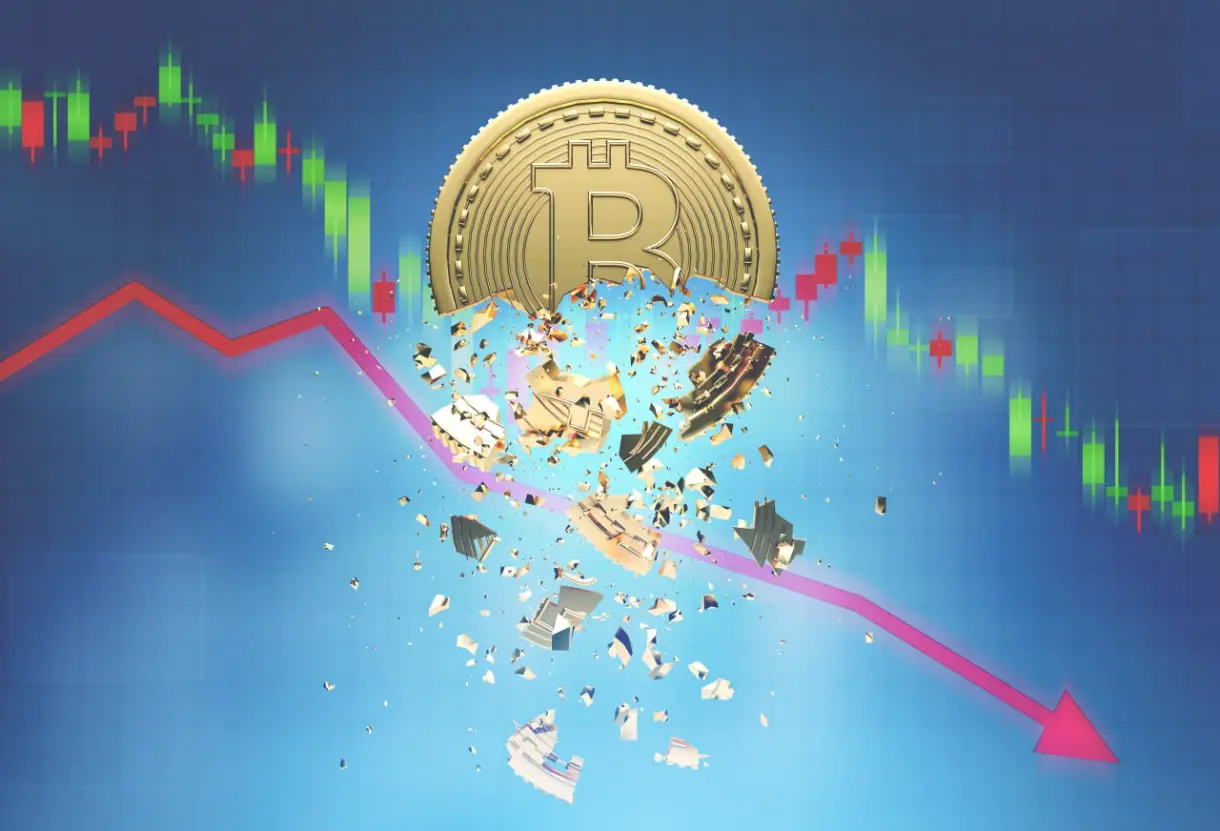
Bitcoin just logged $2.3B in realized losses. One of the biggest capitulation waves in its history. Source: Techgaged
$2.3 Billion Vanished in Bitcoin Losses. History Says This Moment Matters
In Brief
- • Bitcoin recorded $2.3B in realized losses, signaling major capitulation.
- • The event rivals the 2021 crash and the 2022 FTX collapse.
- • Historically, similar loss spikes have appeared near market inflection points.
Bitcoin just absorbed $2.3 billion in realized losses, placing the current selloff among the most severe capitulation events on record.
According to on-chain data shared by CryptoQuant analyst IT Tech, the magnitude rivals the stress seen during the 2021 leverage unwind and the 2022 FTX collapse.
Importantly, this metric tracks real losses taken on-chain, not unrealized drawdowns. In short, holders sold coins for less than they paid. Pain became permanent.
At first glance, price action alone does not tell this story. However, realized losses reveal who capitulated.
When this number spikes into the billions, selling pressure extends beyond short-term traders. Gradually, even conviction holders step aside.
Therefore, this event reflects broad stress, not isolated panic.
Moreover, the scale matters. Only a few periods ever produced losses of this size. Those periods aligned with systemic shocks, not routine corrections.
As a result, the market now stands at a familiar crossroads. Either sellers approach exhaustion, or deeper stress still lies ahead.
Why This Capitulation Carries Extra Weight
First, realized losses measure behavior, not sentiment. Price moves show volatility. Realized losses show decisions. When holders lock in losses, they signal urgency.
Consequently, this metric often peaks near moments of maximum fear.
Second, these spikes usually coincide with liquidity strain. As prices drop, leverage unwinds. Forced sellers exit. Stop orders cascade.
Therefore, losses accelerate across cohorts, from recent buyers to longer-term holders. The $2.3B figure reflects that chain reaction.
Third, historical comparisons provide context. During both 2021 and 2022, realized losses surged near cycle lows, not highs.
After those events, Bitcoin eventually stabilized once forced selling faded. Of course, history does not repeat perfectly. Still, it often rhymes.
Bitcoin Price Today
What On-Chain Signals Suggest Going Forward
Looking ahead, on-chain data helps distinguish panic from progression. When realized losses crest, sellers often run out of coins willing to exit below cost.
Meanwhile, surviving long-term holders tend to reduce spending. As a result, liquid supply tightens.
Additionally, these moments reset cost bases. Coins transfer from weak hands to stronger ones. Over time, that shift can dampen volatility and rebuild structure. However, that process takes patience.
At the same time, macro conditions still matter. Interest rates, liquidity trends, and risk appetite influence demand. Capitulation clears excess leverage, but it does not guarantee immediate recovery.
For now, one conclusion stands. Bitcoin just endured one of its harshest on-chain reckonings ever measured. Markets rarely shrug off events like this.
Instead, they either fracture further, or begin rebuilding from the damage already absorbed.
More Must-Reads:
How do you rate this article?
Join our Socials
Briefly, clearly and without noise – get the most important crypto news and market insights first.
Most Read Today
1
60,000 GPUs on the Line: Could Render’s RNP-023 Ignite a Supply Crunch?
2Coinbase Lands OCC Approval in Major U.S. Crypto Shift
3Ripple’s Brokerage Arm Lands Investment-Grade Rating as Expansion Continues
4NEAR Horizon: Is the Ecosystem Ready for the Next Wave of Mass Adoption?
5TAO Subnet Reality Check: Revenue vs. Subsidies – What Investors Must Know After the Rally
Latest






8
Also read
Similar stories you might like.

Bitcoin
Bitcoin Consolidation Continues as Market Signals Rising Volatility; What’s Next?
Ana | 2026-04-03

Industry
Two More U.S. States Grant DAOs Legal Recognition
Ana | 2026-04-03

Defi
Coinbase Lands OCC Approval in Major U.S. Crypto Shift
Ana | 2026-04-03
Defi
CFTC Sues Arizona, Illinois, Connecticut for Blocking Prediction Markets
Rokas | 2026-04-03
Altcoins
60,000 GPUs on the Line: Could Render’s RNP-023 Ignite a Supply Crunch?
Azeez | 2026-04-03

Defi
Ripple’s Brokerage Arm Lands Investment-Grade Rating as Expansion Continues
Rokas | 2026-04-03

Altcoins
NEAR Horizon: Is the Ecosystem Ready for the Next Wave of Mass Adoption?
Azeez | 2026-04-03

Defi
Major EU Bank CaixaBank Moves Into Crypto Under MiCA
Ana | 2026-04-02

Blockchain
Solana-Based Drift Protocol Halts Operations After Security Breach; What Happened?
Ana | 2026-04-02

Industry
Iran Demands Crypto, Yuan Fees For Passage Through Hormuz
Ana | 2026-04-02